Frying 101
Frying is a versatile cooking method that enhances bold flavors and produces a crunchy texture. Here’s a closer look at four popular methods and the best oils for each.
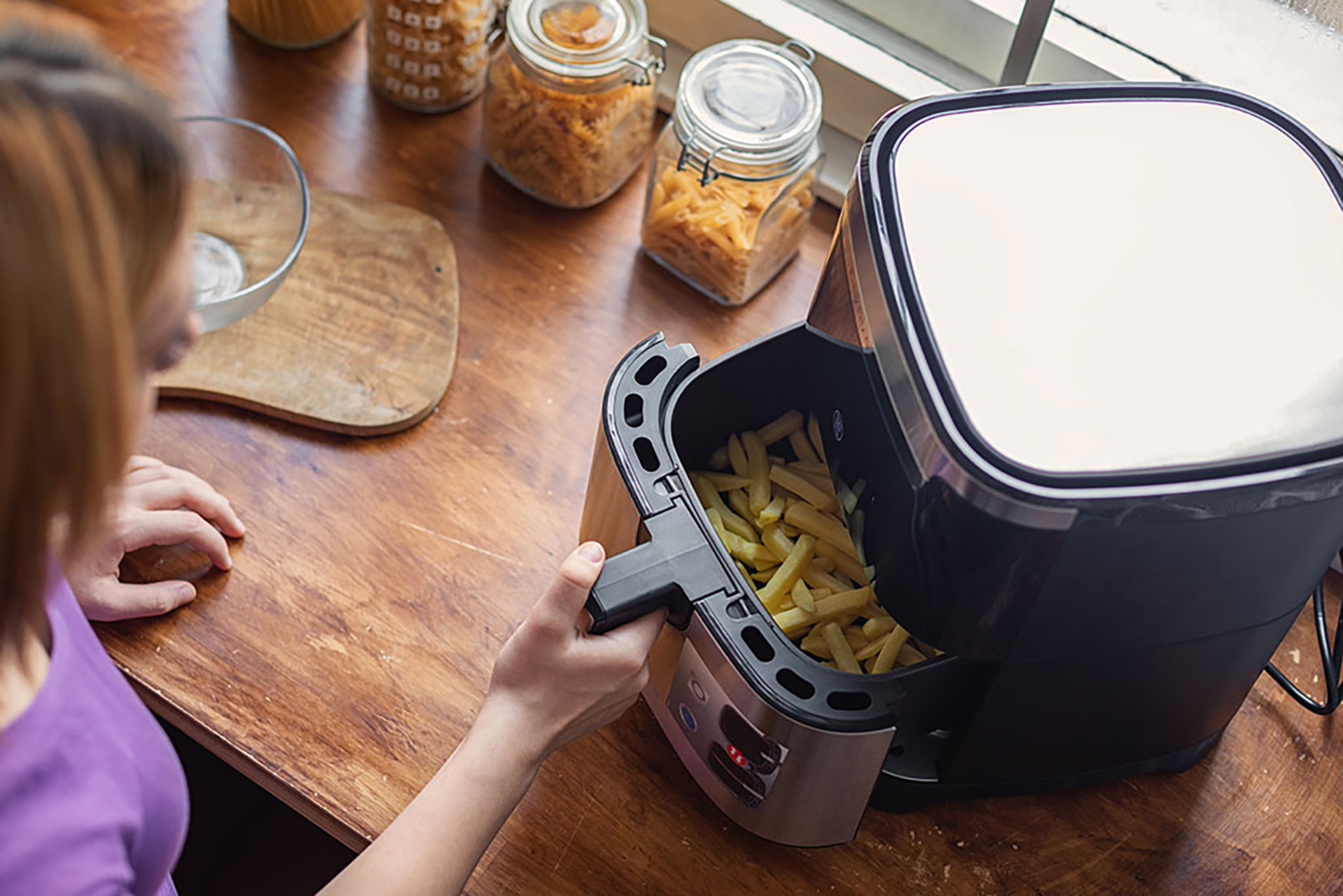
Air-Frying
Air-frying uses hot air to crisp food with little to no oil, making it arguably the best way to fry everything from frozen french fries to fresh salmon. It does require a special device, but its relative health benefits and ease of use make it a worthwhile investment. And though oil isn’t a necessity, a light coating of an avocado or sunflower one can create a crispier texture.
Deep-Frying
As the name suggests, deep-frying involves fully submerging foods in hot oil in a large pot or deep fryer for an even finish. The ideal oils are those with a high smoke point and neutral flavor, such as canola and peanut. For optimal health, however, minimize your use of this method.
Pan-Frying
Sometimes called sautéing or shallow-frying, this approach requires heating a thin layer of oil in a pan over medium to high heat. It’s perfect for creating an exterior crust while keeping the interior tender for thin cuts of meat and vegetables like onions and potatoes. Use peanut or olive oil for a good balance of flavor. For delicate foods like fish and eggs, though, a smidge of butter may be better—just keep the temp down since it can easily burn.
Stir-Frying
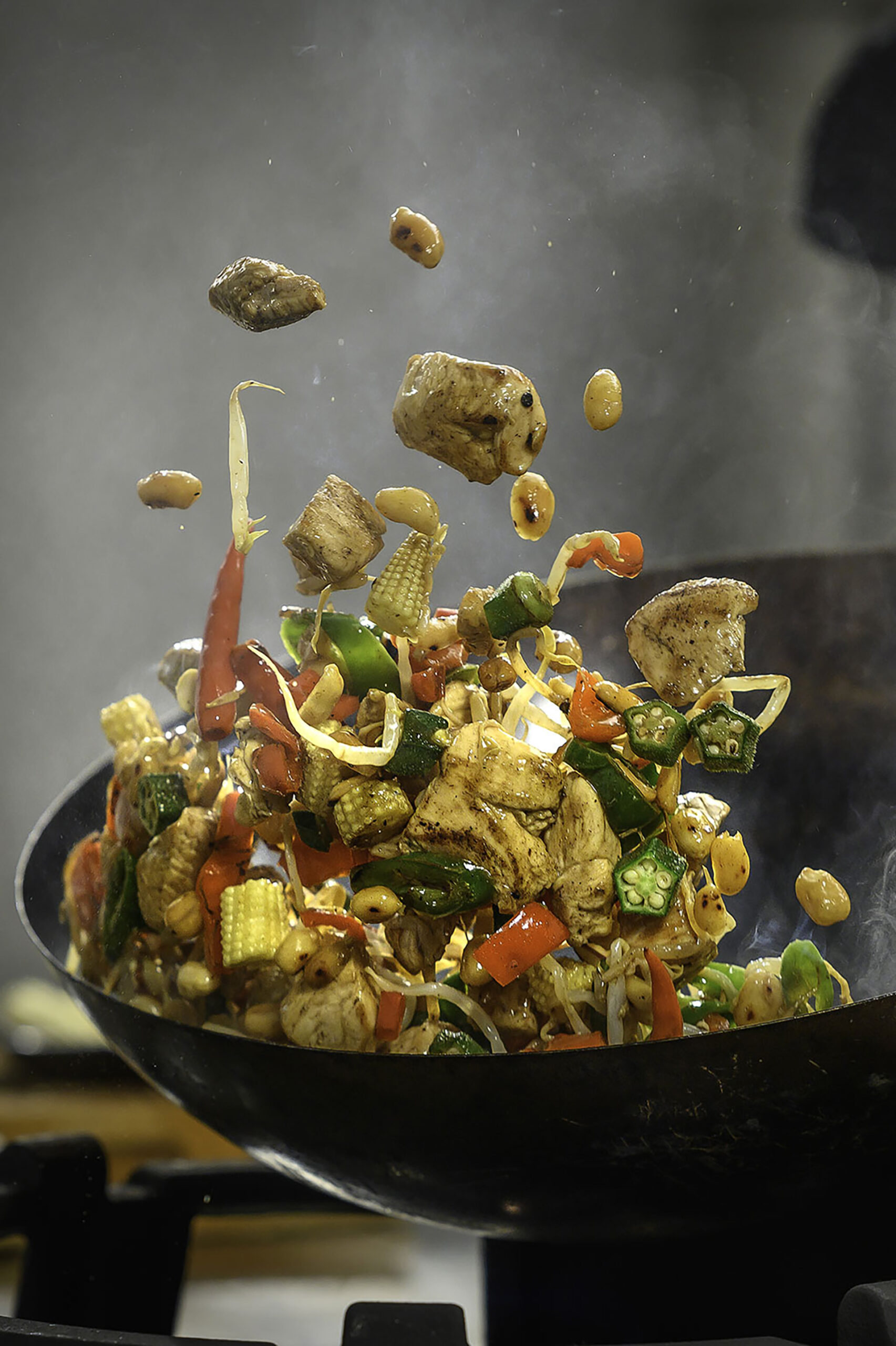
Stir-frying is a quick, high-heat cooking technique where you add pieces of protein and vegetables to a hot pan or wok with a small amount of oil. Ones like peanut and canola are best since these have a high smoke point to withstand the intense heat without burning. As you cook, keep the food moving constantly and work in small batches to maintain the high temperature needed for the perfect stir-fry.
1175 Views
Related Posts

Popular Posts