Rolling Along with Adult Kickball
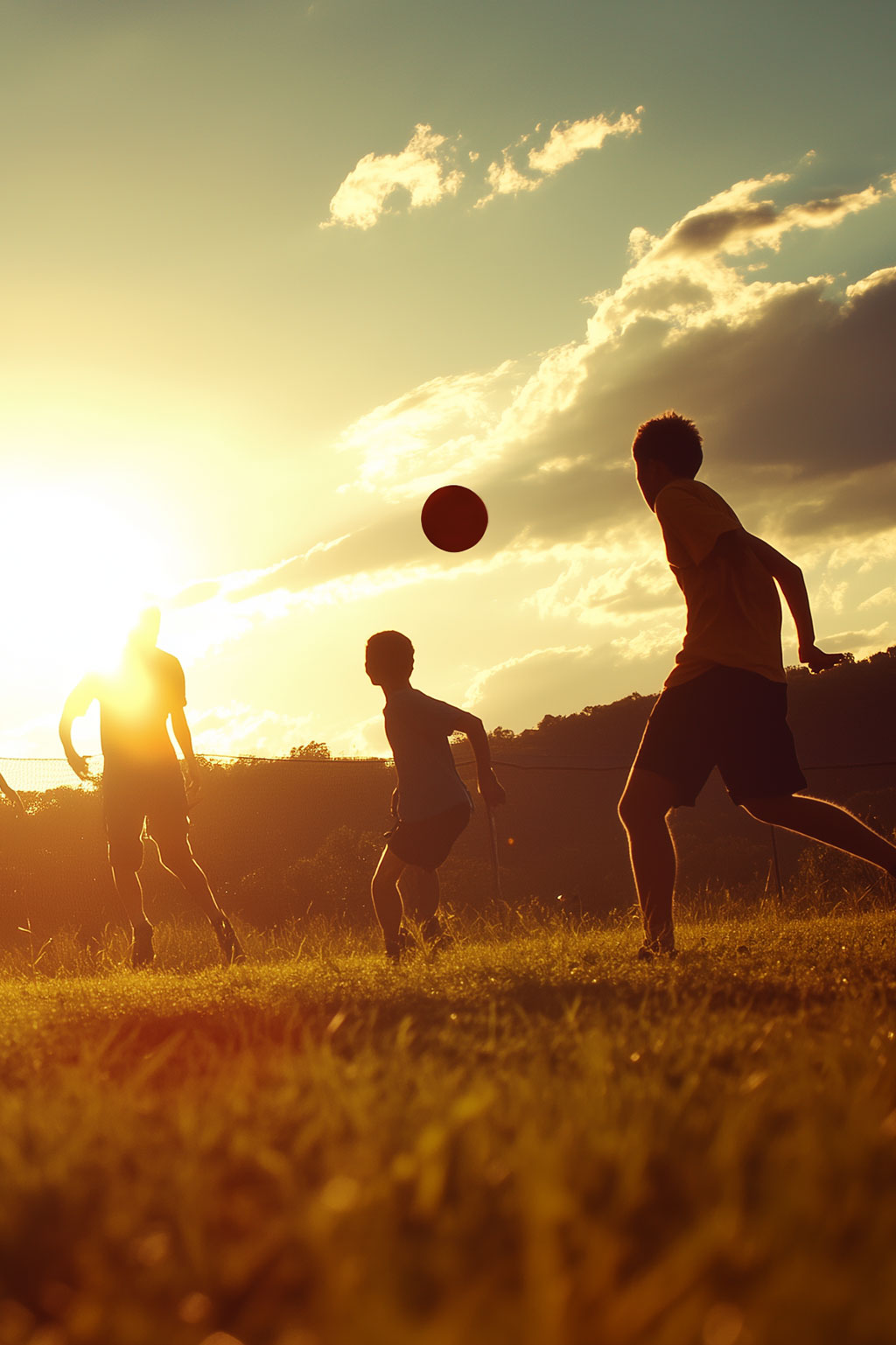
Many of us have fond memories of playing kickball as kids. The game was not only a bonding experience with classmates and neighbors but also, though likely unappreciated by us at the time, a fun way to get exercise and let off some youthful steam.
The same joys can still be found as grown-ups—this simple sport with its legendary red ball is played all over the country, from college campuses to community parks to even church organizations. Learn more about how kickball got to this point and how you can keep your love of the game going.
Then and now
Kickball has been with us for over a century, but its official origins are a bit fuzzy. Some trace it to Dr. Emmitt Dunn Angell, who mentioned a sport called “kicking baseball” in his 1910 book on children’s games. Others, meanwhile, credit Cincinnati park supervisor Nicholas C. Seuss for truly inventing it seven years later.
Regardless of its roots, the game quickly caught on starting in the 1920s as a simple tool to teach baseball basics to schoolchildren, and two decades later, it became a popular way for World War II soldiers to bide their time. By the 1970s, it was practically ubiquitous among both kids and kids at heart thanks to its easy setup and minimal equipment.
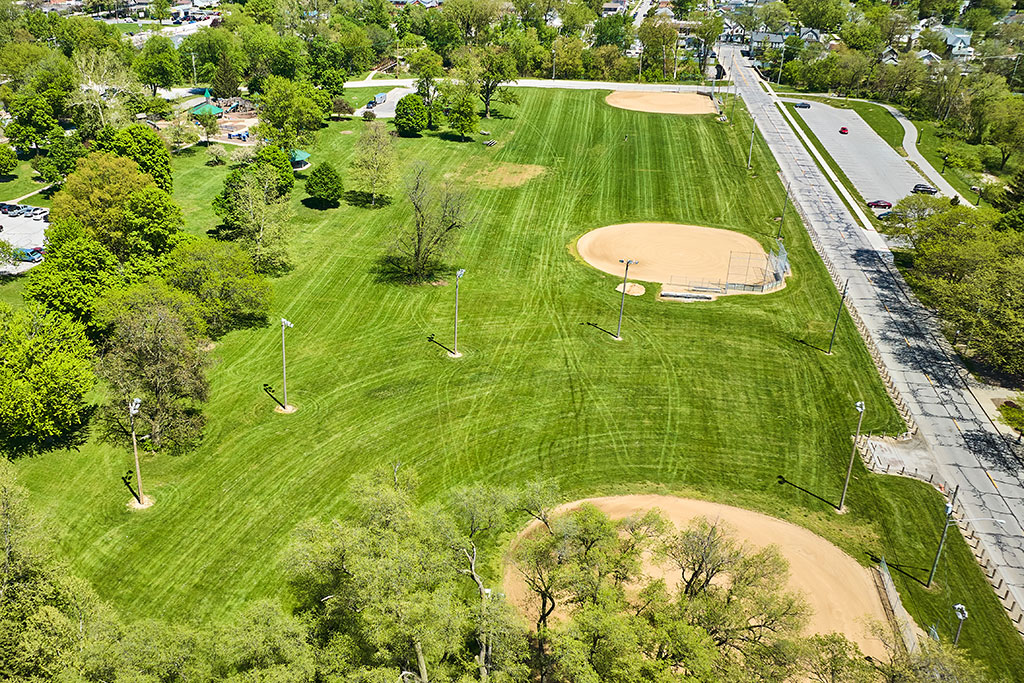
Today, kickball is frequently offered as part of sports clubs’ and parks-and-recs’ packages of offerings; in fact, it’s grown so popular that competitions have even aired on media outlets like ESPN. The rules may vary depending on which league you join, but the basics are probably close to what you remember. Teams of up to ten compete on a baseball field, where the ball is rolled to kickers. Like baseball, there are three outs per inning (though usually only seven innings, not nine), and they can be made by catching a kicked ball, tagging a runner with it, or throwing them out. A kicker can also be called out after three foul balls. And, of course, the team that scores the most runs wins.
Why play?

While you may think it silly to participate in something that’s associated with childhood, you should seriously reconsider your stance. The first reason why is clear: it’s an opportunity to get out (possibly outside) and be active on a regular basis. In fact, an hour playing the sport can burn about 400 to 600 calories. There’s also a huge social aspect to the endeavor. Yes, gameplay can get super competitive, but kickball is renowned for being a welcoming sport that people of all ages and abilities can enjoy, with coed teams often being the norm. Join one near you, and you may just forge amazing new friendships.
How to get started
It’s surprisingly easy to find places dedicated to helping adults connect with or found a kickball league. However, who to contact somewhat depends on where you live. For instance, GO Kickball, which is self-proclaimed to be “America’s premier social experience,” has chapters mostly in western and southern parts of the country. Another popular club, CLUBWAKA, offers leagues in around a dozen states from Rhode Island to California.
And Main Attraction Recreational Sports (MARS) sponsors a handful of Turf Wars tournaments each year; some of them have even been on national TV. But if you find your area missing from these options’ locations, don’t fret—there may very well be an organized local league taking place at a park, gym, or campus near you, or you can always start your own.
Being an adult often necessitates having to let go of certain juvenile joys. Fortunately, thanks to the omnipresence of people and organizations dedicated to the sport of kickball, you can still get a kick out of playing this treasured game.
3214 Views
Related Posts

Popular Posts