Making the Most of Summer’s Best Produce
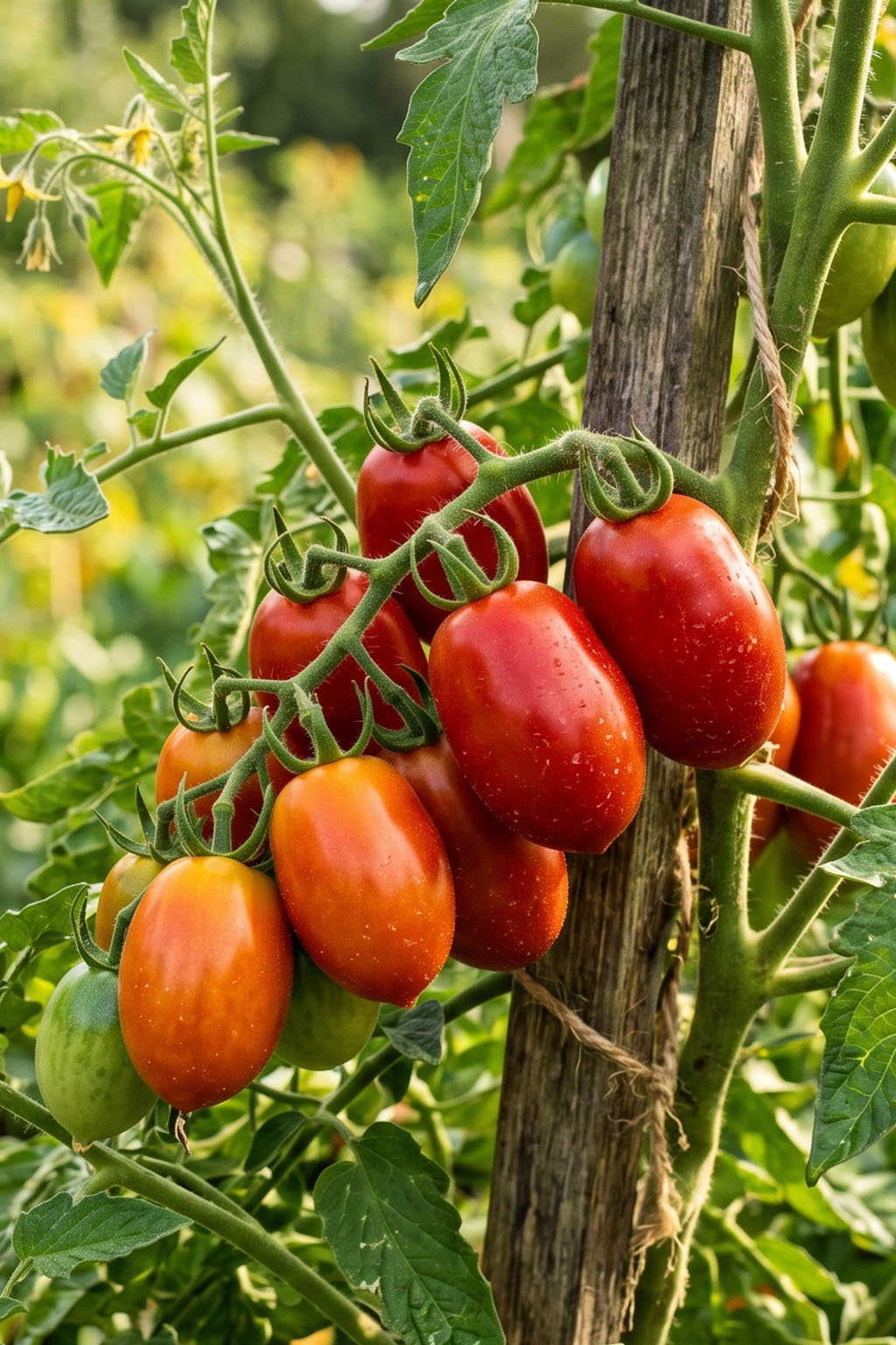
Nothing beats a summer-grown tomato—one that has ripened on the vine under real sun, been picked at its peak, and made it to your kitchen within days.
It tastes nothing like the factory-ripened tomato you could buy in January. That difference isn’t just about flavor. It’s also about nutrition, freshness, and what your body actually receives when you eat it. This is just one example of what many people feel: Summer is arguably the best time of year to eat well, and the farmers market could be your most powerful tool for doing so.

Why eating seasonally is superior
Fruits and vegetables begin losing nutrients the moment they’re harvested. The longer the journey from farm to plate—and most grocery store produce travels hundreds of miles—the more vitamins degrade along the way. Researchers at the UNC Nutrition Research Institute note that buying in-season and close to home means fewer days in transit and storage, and some fresh-picked leafy greens, for example, retain significantly more of the nutrient folate than those that have been shipped across the country.
Seasonal eating also naturally diversifies your diet. Rotating through what’s available at any given time of year exposes you to a wider range of vitamins, minerals, and plant compounds than you’d get from buying the same handful of staples year-round. In summer, that range is especially broad—and the nutritional payoff is significant.
Summer’s nutritional stars
A few summer staples are worth spotlighting. Seasonal tomatoes are exceptionally high in lycopene, a powerful antioxidant linked to reduced risk of chronic disease, and food scientists note that a vine-ripened summer tomato concentrates lycopene through the actual sun-driven biochemistry of ripening—something an out-of-season tomato, picked green and shipped elsewhere, simply cannot replicate.
Blueberries and other summer berries are rich in anthocyanins, the plant compounds that give them their deep color and support cardiovascular and cognitive health. Peaches deliver beta-carotene and lutein alongside a meaningful hit of fiber. Sweet corn, often underestimated as a nutritional food, is high in water content, B vitamins, and antioxidants—but loses its sugars rapidly after harvest, making local and fresh the best option for maximum nutrition. Just note that these foods can vary across the country, especially when you turn to local growers, so availability may vary.
Simple ways to use what’s in season
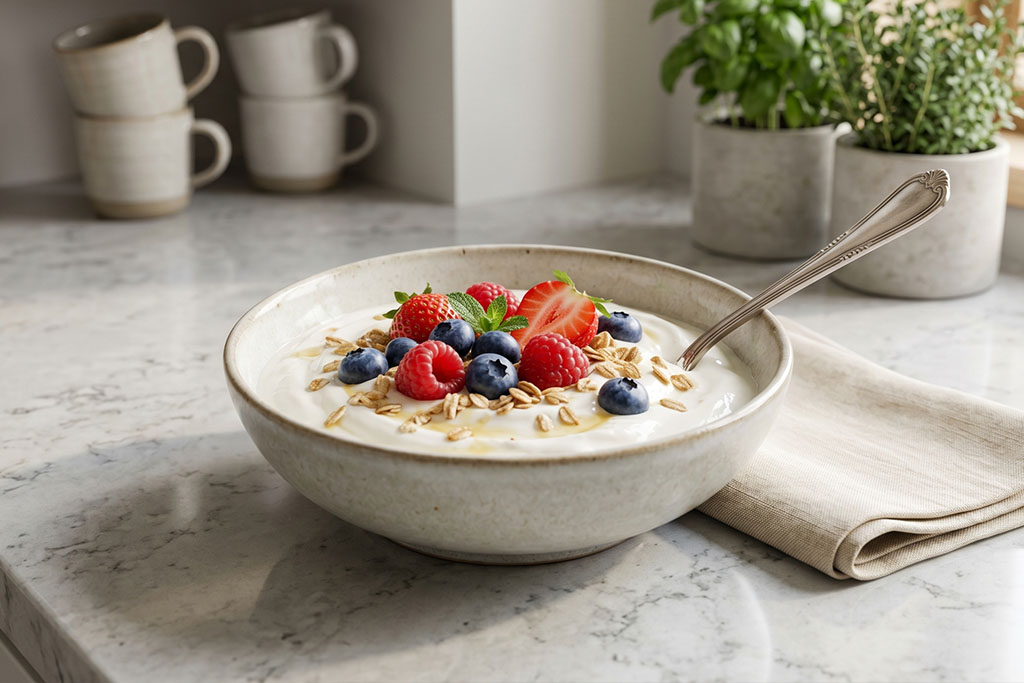
You don’t need elaborate recipes to make summer produce shine—in fact, less is often more. Serve sliced, ripe tomatoes with flaky salt and good olive oil. Grill corn on the cob, and finish it with herbs. Toss a handful of berries into plain yogurt or oatmeal. Roast zucchini and eggplant with garlic until caramelized. For everything you can’t get through in a week, freeze it: Berries, blanched corn, and sliced peaches all hold their nutritional value well and extend summer’s bounty far into fall.
Where to shop
The farmers market is the obvious answer, but thankfully, you still have many options if you don’t have access to one. Community-supported agriculture shares, roadside farm stands, and even grocery stores that source locally are all viable options for getting in-season produce at or near its peak. If you’re not sure what’s in season right now, ask the vendor—or simply look for what’s piled highest and priced lowest. Buy what looks freshest, use it quickly.
Eating well doesn’t have to be complicated, and it rarely needs to be expensive. It mostly just needs to be timely. Summer gives you a broad window during which some of the most nutritious foods available are also the most versatile and delicious.
1653 Views
Related Posts




Popular Posts