The Benefits of Slow Cooking
It’s been said that time is our best friend and worst enemy, and that duality is clear in many aspects of everyday modern life, especially when it comes to food.
Sustenance is so easily accessible in America that most people don’t even need to leave home to obtain it—a clear perk in a fast-paced world.
The downside of this convenience? Such items are usually rather unhealthy. So instead of thawing a frozen meal or placing a fast-food order, consider doing a 180 and taking the slow-cooking route. Already associated with a sense of coziness, this time-tested technique provides a surprising number of health benefits and more.
A brief history
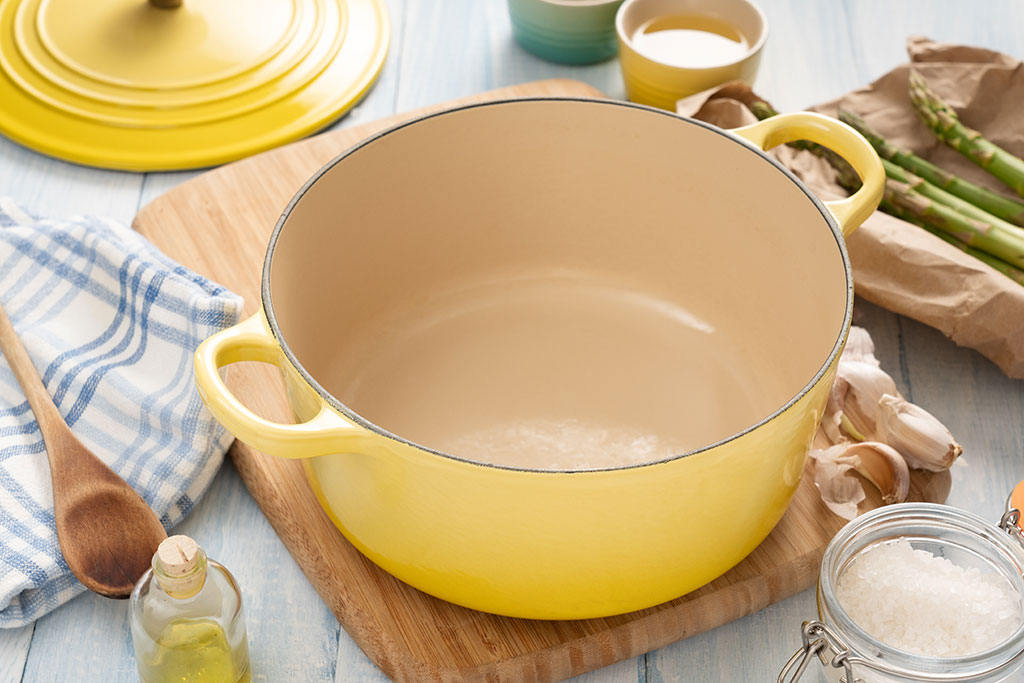
Technically, gradual cooking has been a method of choice virtually since Homo sapiens discovered fire. Recorded variations of it go back tens of thousands of years, and it spans many cultures worldwide. In more recent history, the Dutch oven emerged in the 1600s and quickly spread across Europe, gaining its now-ubiquitous moniker in 1707.
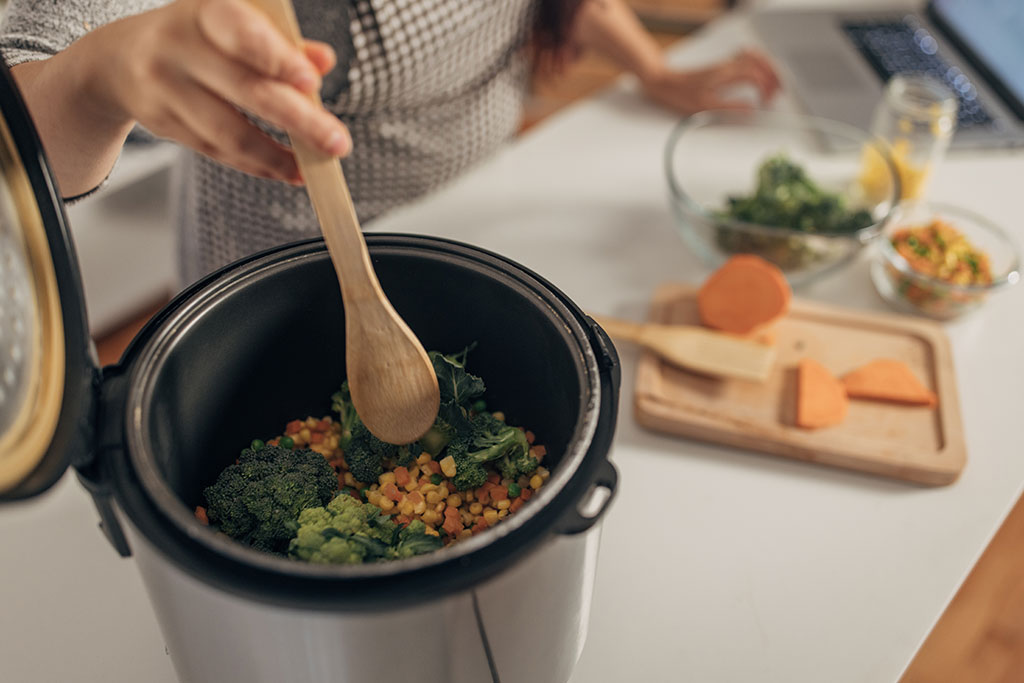
For centuries, that was the primary slow-cooking tool for most home chefs until the invention of the Crock-Pot, an electric version that exploded onto the culinary scene in 1971 and soon became a must-have in American homes. Today, that mantle is now shared by the Swiss Army knife of the kitchen, the Instant Pot.
The nutritional benefits
The primary lure of this process has always been its convenience. When you slow cook, the only real effort required on your part is prepping the ingredients. You can then let the device do the bulk of the work over several hours—no need to constantly watch over your culinary masterpiece or have any special knowledge of complicated techniques.
In comparison to its ease, the method’s nutritional benefits have largely been undervalued, yet they are as plentiful as the ingredients typically put in the pot. First off, perhaps more than any other form of meal prep, you control the components you include. Are you looking to cut down on salt? You can choose to add just a pinch. Seeking to avoid the fat often necessitated when using a pan? Slow cooking requires only minimal oil and the like.
But that’s not all. This process also naturally retains foods’ nutrients more effectively than other methods while tenderizing tougher meats and softening root vegetables, which can help you digest them better. As a final bonus, slow cooking can get the veggie-adverse eaters in your home to eat healthier since sitting in the pot for hours infuses such produce with the other ingredients’ hearty flavors.
Other practical perks
The pluses don’t end with your physical health, however. For instance, consider the time factor: without having to spend hours in the kitchen, you can enjoy relaxing activities or tackle essential tasks with less stress. In addition, slow cooking offers a rare opportunity in the twenty-first century to both practice patience and indulge in the art of savoring a meal. And since it’s generally considered to be a steady, more efficient type of cookery, it can potentially save you money on electricity—especially since it encourages batch cooking, where you make a meal that can be stored and eaten over several days.

Slow cooking has survived eons for a reason. Around the world, people have long recognized that when you take your time with your food, your health is likely to benefit. So pull out your Dutch oven, Crock-Pot, or Instant Pot, and give yourself and your loved ones the gift of leisurely prepared dishes this month and all through winter.
507 Views
Related Posts





Popular Posts