
Build a Better First Aid Kit
Life can be unpredictable, and the bumps, bruises, and burns we get along the way are proof that you can’t always prevent accidents.
But what you can do is ensure that you have enough supplies at home to address these ouchies whenever they occur. And a prepackaged kit from your local grocer or big-box store won’t cut it—though convenient, these cases are often insufficient for covering a wide range of health incidents. Read on to learn what you should pack in your home’s first aid kit to be as prepared as possible for the unexpected.
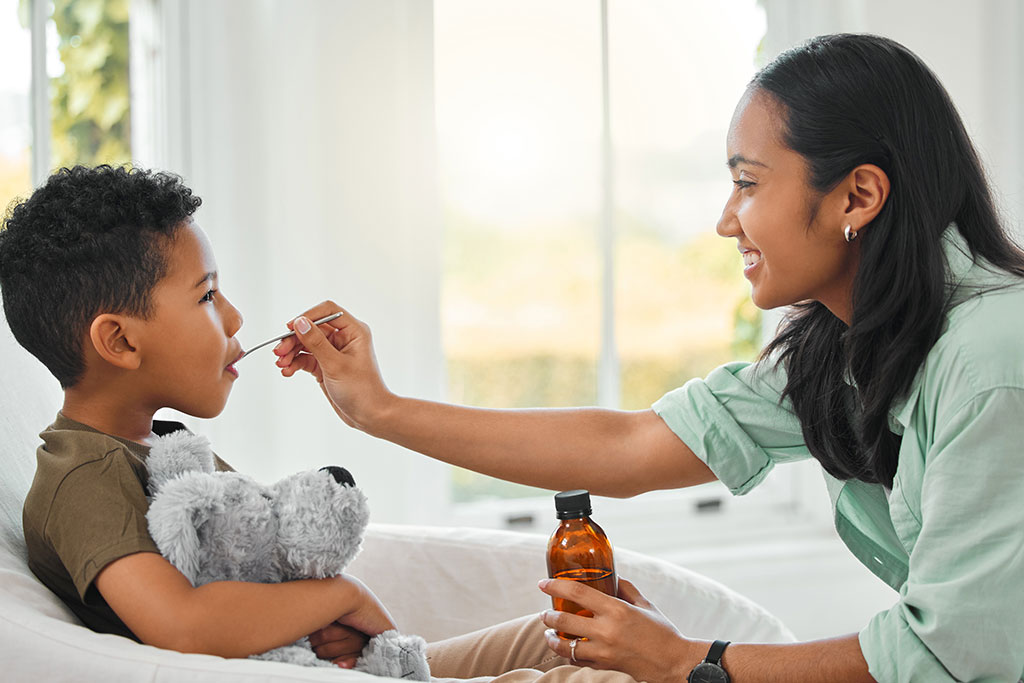
Oral medications
A good first aid kit should incorporate various oral remedies. For painkillers, any brand of aspirin, acetaminophen (e.g., Tylenol, Mapap), or ibuprofen (e.g., Advil, Motrin) would suffice. However, if opting for either of the first two, make sure to also store products made specifically for kids as necessary—aspirin is not recommended for those under sixteen and acetaminophen for children under six. Additionally, include antihistamines such as Benadryl or Zyrtec to help treat allergies. Always follow the instructions on all medication packaging precisely.
Topical medications
Cleaning a wound before bandaging it is a vital step for eliminating debris and promoting healing. Stock your kit with a variety of tools, including eye wash, an eye bath, distilled water, and alcohol-free, disposable cleansing wipes to help sterilize the skin and remove dirt and blood. Also pack antibiotic or antiseptic ointments, which kill bacteria to reduce the risk of infections. A triple-antibiotic one like Neosporin is a reliable option because it contains bacitracin zinc, neomycin sulfate, and polymyxin B sulfate as active ingredients; these target multiple bacteria and offer a wide spectrum of protection.
Neosporin and other ointments can be used for everything from cuts and scrapes to minor burns and may also provide pain relief for both. Further, you can help heal many other skin afflictions with hydrocortisone or calendula creams—topical medications that fight rashes—as well as ointments or sprays that relieve insect bites and stings.
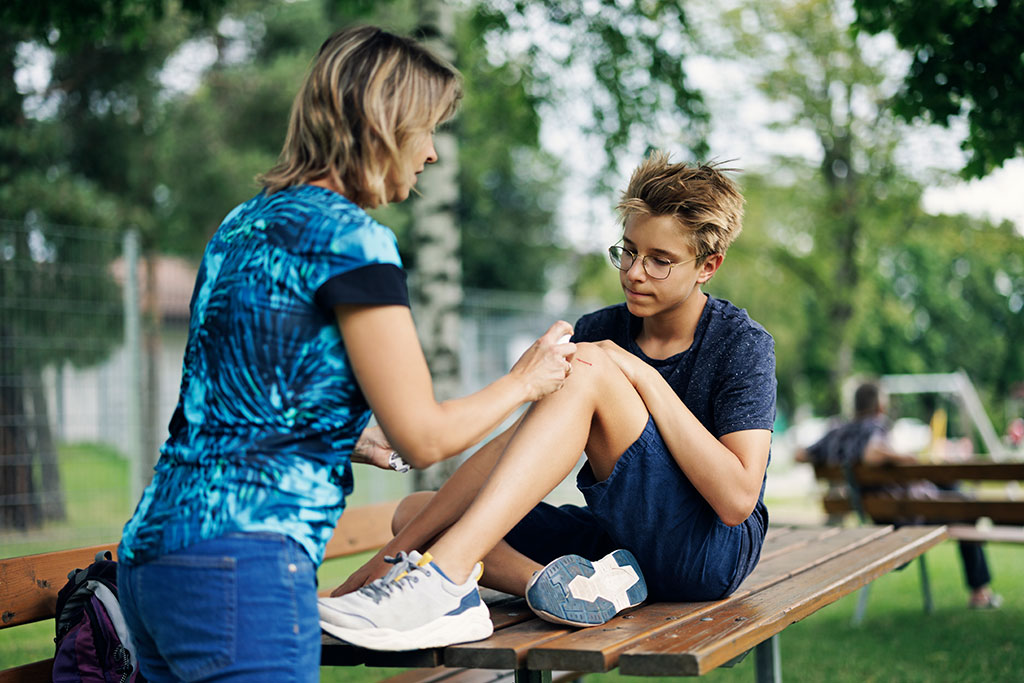
Dressings
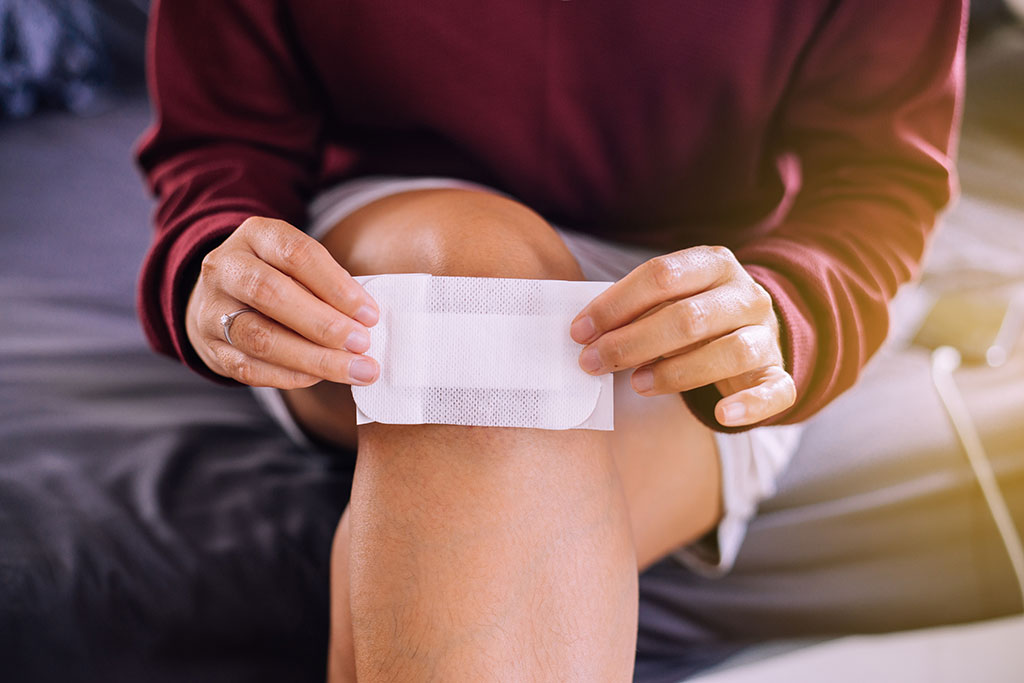
In first aid terms, this refers to any kind of cloth intended to be placed directly onto a wound, whether to help absorb blood or apply pressure. However, not all dressings are created equal, and some are more appropriate for specific types, sizes, and shapes of wounds than others. To cover all your bases (and injuries), stock each of the following:
- Adhesive bandages in various shapes and sizes
- Sterile gauze pads in small, medium, and large sizes
- Rolled crepe bandages to apply light compression and help keep gauze in place
- Sterile eye patches (including options for adults and children)
- Triangular bandages for compressing wounds and supporting injuries like sprains
Tools and supplies
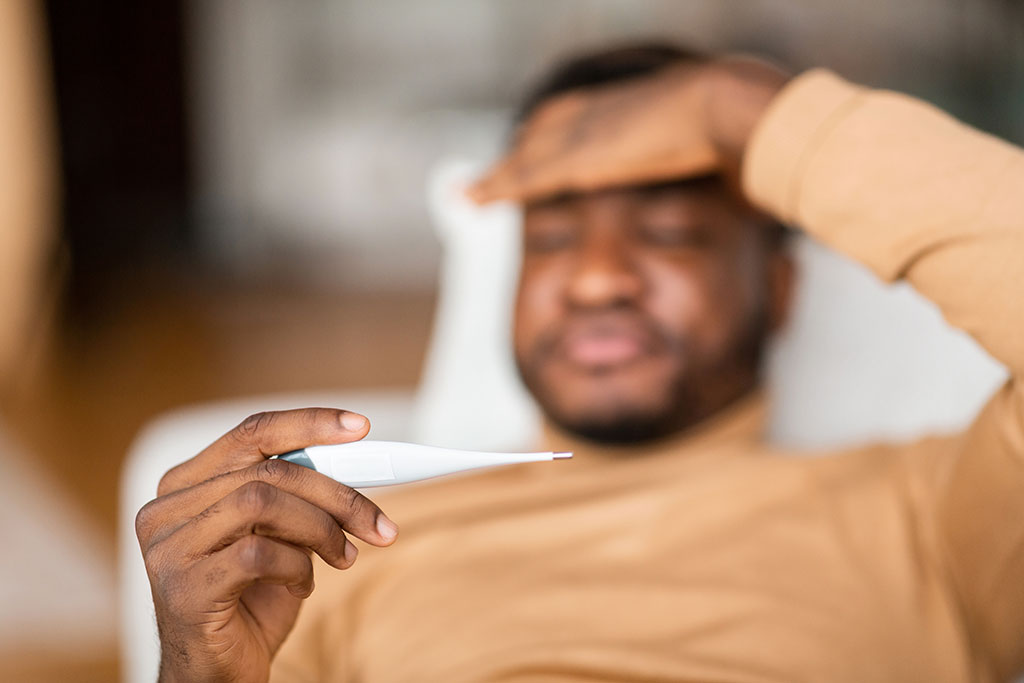
The following miscellaneous essentials are useful for applying and securing dressings, performing first aid safely, and addressing a number of health concerns:
- Digital thermometer
- Disposable sterile gloves
- Safety pins
- Scissors
- Sticky tape
- Tweezers
Though you may already have most of these items in your home, keeping a separate set of each stored in a first aid kit will prevent you from having to scramble to find them in a health crisis.
Reference cards
Top off your first aid kit with a list of contact numbers for each adult in the home, additional friends or family, and emergency services. (You can simply print and fill out the sheet below.) Also include an instruction booklet that explains how to use first aid equipment safely and offers step-by-step instructions for rendering aid in a variety of situations, such as choking or an allergy attack. Before buying, check the publication date of the guide to make sure you get the most recent edition since medical experts update their recommendations regularly.
Advice for your home kit
To maintain a good first aid kit and ensure everyday readiness, check your case often, replenishing used supplies and replacing expired products as necessary. You never know where an accident could happen, so consider storing separate kits on each floor of your home—perhaps placing one in your kitchen and another in an upstairs bathroom. Whenever you plan to spend time outdoors, take your first aid kit with you, particularly if you or any loved ones will be partaking in risky activities such as playing sports or operating a hot grill. Pack your kit when traveling as well, being sure to add any specific medications or supplies you or your fellow vacationers may need.
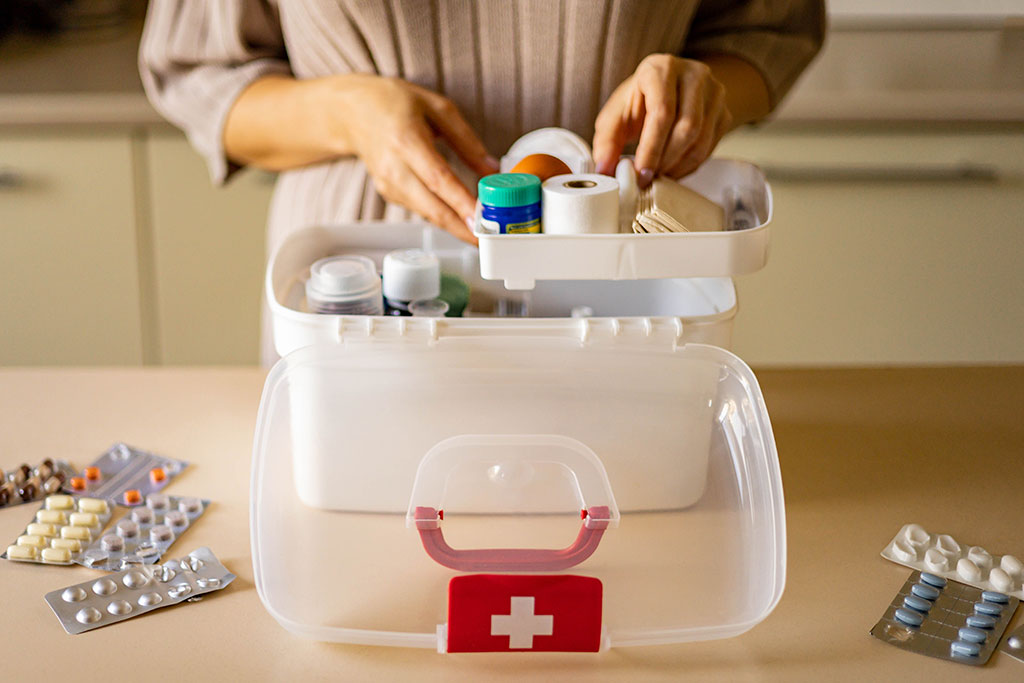
Finally, it’s crucial to remember that not even the best-prepared first aid kit will replace medical intervention, so always call 911 immediately in the event of a major accident or injury. However, utilizing some of the supplies in your kit may provide life-saving assistance until paramedics arrive.
Nothing can completely prevent a health crisis, but stocking essentials at home will help ensure that you’re prepared to face it, act instantly, and render aid to yourself or your loved ones.
For more info, visit cdc.gov
2546 Views
Related Posts





Popular Posts