The Truth about Nonstick Cookware
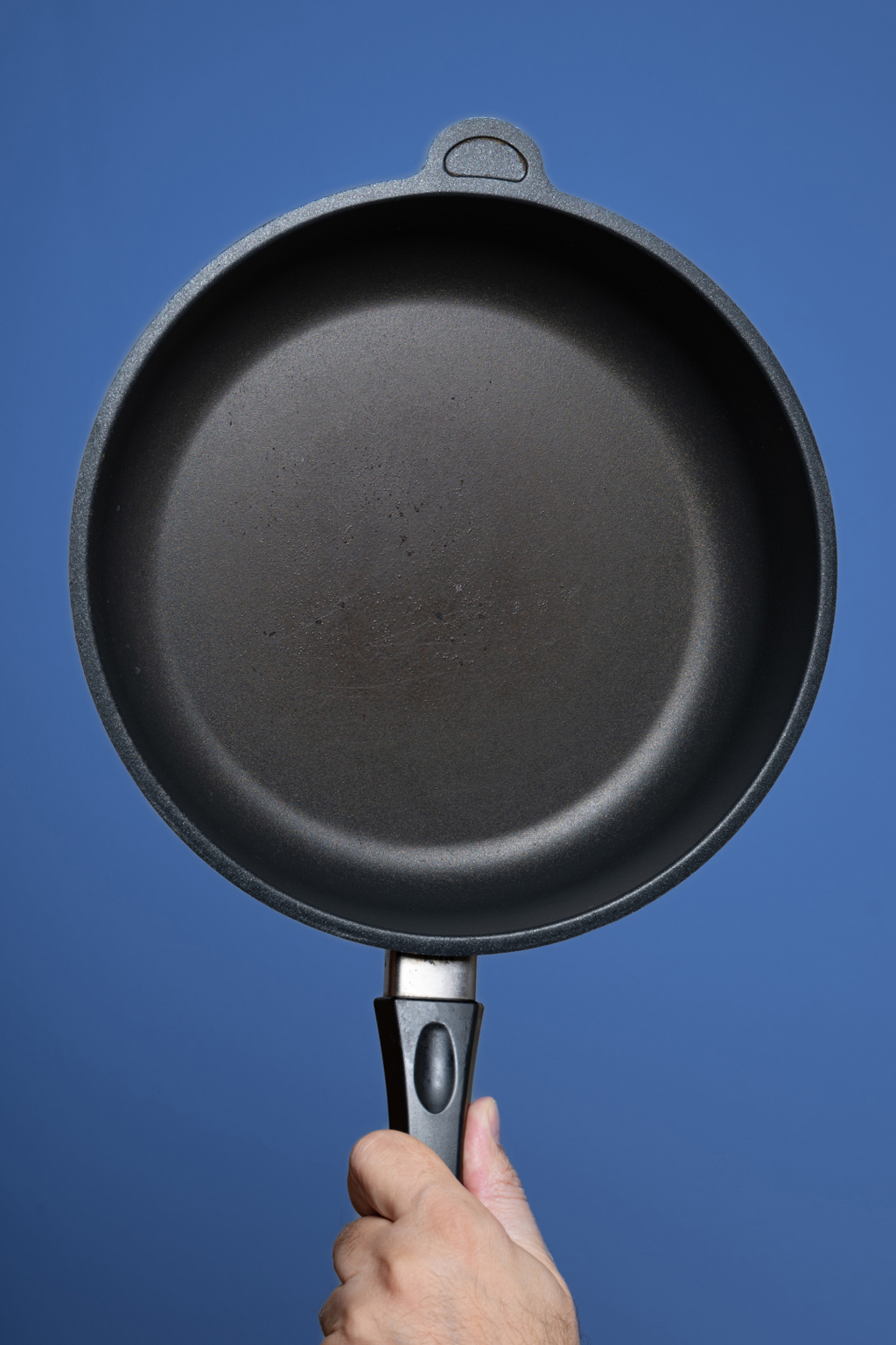
Nonstick cookware has become a staple in modern kitchens—and for good reason. Its smooth, low-friction surface allows you to cook everything from eggs to lean proteins with minimal oil and virtually no sticking. But while its convenience is undeniable, there are important safety concerns and alternatives worth considering.
The pros and cons
The main draw of nonstick cookware is its ease of use. Because food releases effortlessly from its surface, it’s a smart choice for lower-fat cooking. It’s also a breeze to wash, often requiring just a quick rinse or wipe, which takes some of the hassle out of cleanup. Used correctly, it can be a trusted cooking aid for years.
However, there are some important caveats. Most nonstick coatings contain polytetrafluoroethylene (PTFE), commonly known as Teflon, which can break down at excessively high temperatures—typically starting at around 500°F—releasing fumes that can harm humans and birds. Also, pots and pans made before 2015 may contain perfluorooctanoic acid (PFOA), a chemical that’s since been phased out due to health and environmental risks.
Tips for safe use
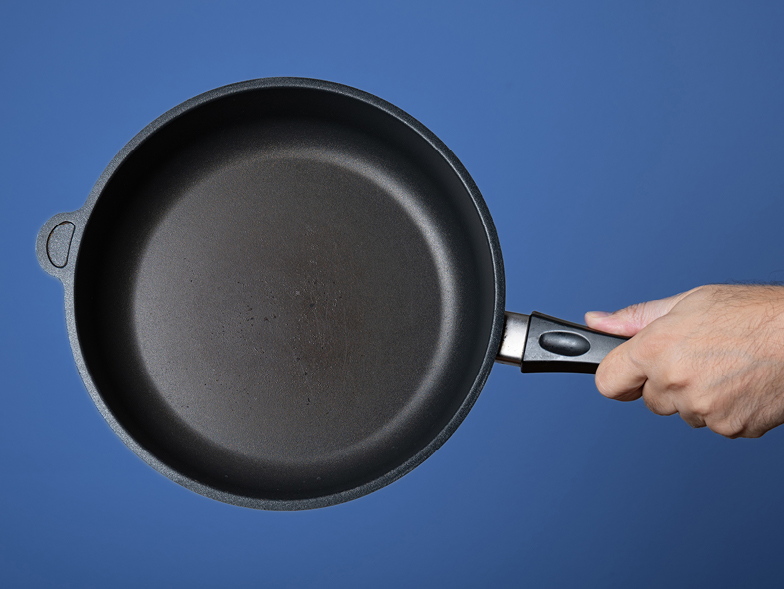
To get the most out of your nonstick cookware, while minimizing potential hazards, follow these best practices:
- Cook on low to medium heat, since that’s typically all you need to achieve great results.
- Avoid preheating an empty pan, and add oil or food right away.
- Don’t use metal utensils. Opt for wooden, silicone, or plastic options instead to prevent scratches.
- Hand-wash with a nonabrasive sponge instead of putting it in the dishwasher.
- If the surface is scratched or flaking, the product should be replaced to avoid ingesting any coating particles.
If you prefer to avoid synthetic coatings altogether, you may want to swap to ceramic cookware, which is free of both PTFE and PFOA. Another great option is a cast-iron pan, which, when properly seasoned, develops a natural nonstick surface that only improves with time.
15 Views
Related Posts





Popular Posts