
Financial Fraud Red Flags
Modern technology has upgraded our personal money management with unparalleled convenience, including banking apps, automated payments, and more.
But with this ease comes the ever-present threat of financial fraud. From sneaky scams targeting your credit card to insidious attacks on your bank account, fraudsters are constantly evolving their tactics. That’s why it’s important to stay vigilant and know the common signs of trouble. Here’s a breakdown of what to look for to protect your hard-earned money.

Unexpected activity
One of the first alarm bells is any type of unfamiliar charge on your bank or credit card statements. Scammers often start with unfamiliar, small transactions to test an account before making a larger purchase. If your account balance is lower than it should be or if expected direct deposits are missing, this could be a sign of unauthorized withdrawals. To catch these issues early, you should enroll in text or email alerts offered by most banks and credit card companies, which may notify you of any suspicious transactions.
Phishing attempts
This is a deceptive tactic where fraudsters impersonate legitimate institutions to trick you into revealing personal information. These attempts often arrive via email or text and contain suspicious language, such as generic greetings like “Dear Customer,” or noticeable spelling and grammar errors. Imposters frequently use urgent or threatening language to create a sense of panic, claiming your account will be closed if you don’t act immediately. A key rule to remember is that your bank will never ask for your full Social Security number, account password, or PIN via email or text. Always check the URL before clicking on it; if it doesn’t match the legitimate website, it’s a phishing attempt—and they may be attempting to obtain your personal details.
Impersonation scams
Beyond emails, scammers also use phone calls to pose as a bank representative, tech support agent, or even a government official. They might try to convince you to grant them remote access to your computer or to download software under the guise of “fixing a virus.” A major red flag is if they demand payment in untraceable forms, such as gift cards, cryptocurrency, or wire transfers. No legitimate institution will ever request these forms of payment for a debt or service. Always be wary of anyone who pressures you to act immediately without giving you time to think or verify their claims.
Skimming and other physical theft
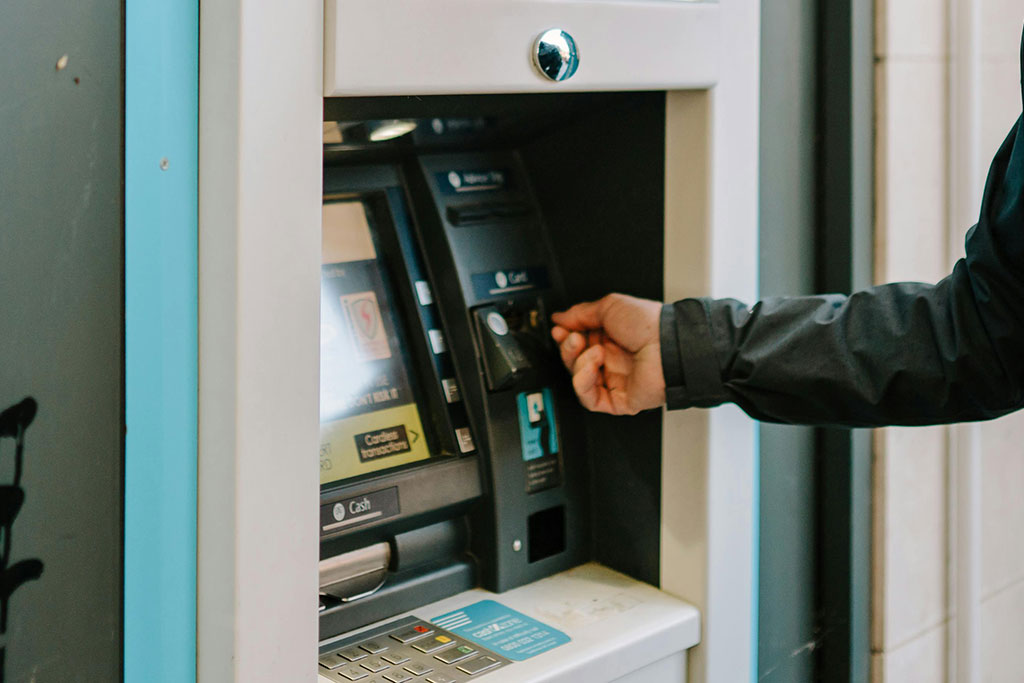
While much fraud is digital, physical methods are still prevalent, such as ATM skimmers, which are illicit devices attached to card readers to steal your card information. Before using a card reader, give it a quick wiggle; if it feels loose or looks out of place, avoid using it. Another common threat is mail theft, where fraudsters may steal statements or new credit cards so they can gather enough personal information for identity theft. You can help prevent this by regularly checking your mail and being aware of its contents.
What to do if you suspect fraud
If you notice any of these red flags, you should act immediately. First, contact your bank or credit card company using the official phone number on the back of your card—don’t use a number provided in a suspicious email. Next, monitor your accounts closely for any further unauthorized activity. If an account has been compromised, change your passwords. Once you’ve taken these steps, report the fraud to the Federal Trade Commission (FTC) at identitytheft.gov. And always remember that staying alert, skeptical, and proactive are your best tools against financial fraud.
581 Views
Related Posts





Popular Posts