
Why Does the Stock Market Rise and Fall?
If you feel whiplash reading news about the market rising and falling, you are not alone.
This complex system can seem like a roller coaster—one that, unfortunately, could affect your personal finances. However, once you pull back the curtain, you will find that market movement is not nearly as chaotic as it appears.
Understanding why the market moves can help you trade anxiety for more confidence. Here is a breakdown of the primary forces that may drive those daily ups and downs.
Simple supply and demand
At its most basic level, the stock market could almost be seen as a giant, global auction. Every time a stock price moves, it is because of supply and demand. If thousands of people suddenly want to buy shares of a specific tech company, the price will climb because the demand outweighs the available supply. Conversely, if many investors try to sell at once, the price drops.
This happens thousands of times a second across the entire market. When you see a down day, it likely means that, for those few hours, there were more people willing to sell than there were people eager to buy.
Company performance and the earnings cycle
The most direct reason that a stock price may move is the health of the company itself. Every three months, public companies release earnings reports that show their profits, losses, and future goals.
Investors love certainty. If a company reports higher profits than experts predicted, its stock usually jumps. If a company warns that sales are slowing down, investors may sell their shares, causing the price to dip. While individual stocks react to their own news, these reports often influence entire sectors. For example, if one major retailer struggles, investors might worry that all retailers are struggling, which could pressure stock prices of other businesses.

The role of interest rates and the economy
The broader economy acts like the weather for the stock market. Some conditions make it easy for businesses to grow, while others make it difficult. Interest rates are the most significant economic weathervane.
When the Federal Reserve raises interest rates to fight inflation, it becomes more expensive for companies to borrow money to expand. Higher rates may also mean that “safer” investments, like bonds or savings accounts, offer better returns. When this happens, some investors move their money out of the stock market, which is generally considered riskier.
Investor emotions and “the noise”
The stock market is made of people (and algorithms programmed by people), which means it is susceptible to human emotion. Fear and excitement often drive short-term price swings more than a financial report.
When the market starts to drop, fear can take over. People worry about losing their money and sell their stocks in a panic, which only drives the price lower. On the flip side, when a new technology, like an artificial intelligence program, becomes popular, excitement can push prices higher than fundamentals support. This “emotional noise” creates a lot of the day-to-day volatility that we see on the news.
Focus on long-term trends
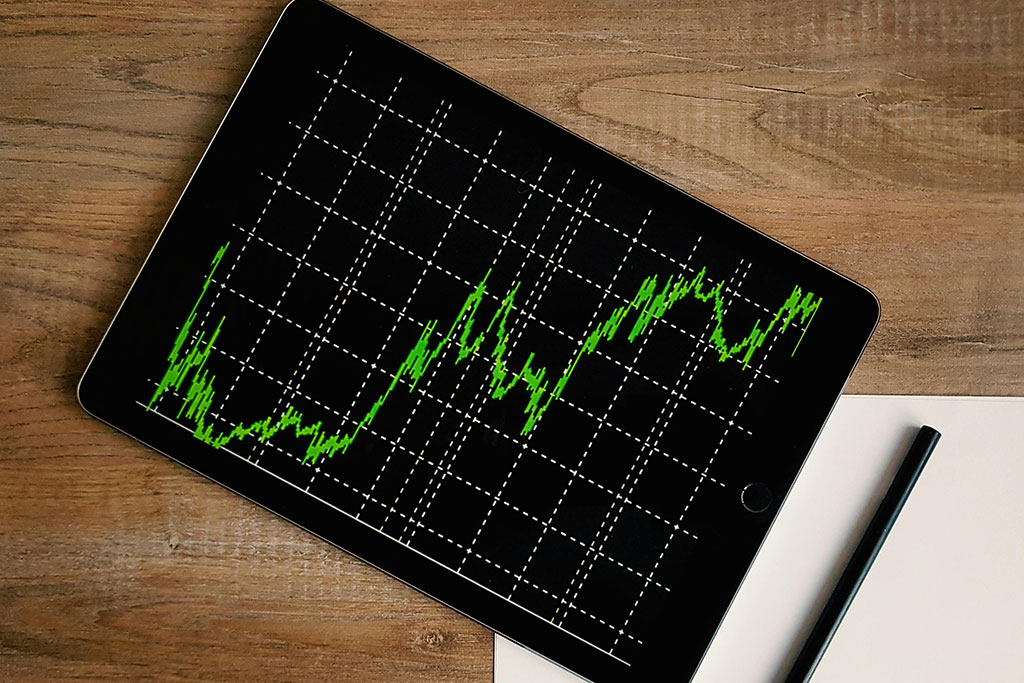
The secret to feeling comfortable in the market is to look at the big picture. If you evaluate a chart of the stock market over a single day, it might look like a jagged mess. But if you look at a chart of the last fifty years, you could instead see a clear, upward climb.
Market downs are a natural part of the cycle; think of them as the “price of admission” for the long-term gains the market may provide. By focusing on your long-term goals rather than daily headlines—and by working with an experienced financial professional—you can stay on course and let time do the heavy lifting for your finances.
1396 Views
Related Posts





Popular Posts