What Tax Changes to Expect in 2026
Before you file your taxes this year, you’ll need to keep an eye on important adjustments and policy changes that may affect how you file and what you may owe.
Here is a look at the most significant changes you should keep in mind as you track your finances this year.

Lower tax brackets are here to stay
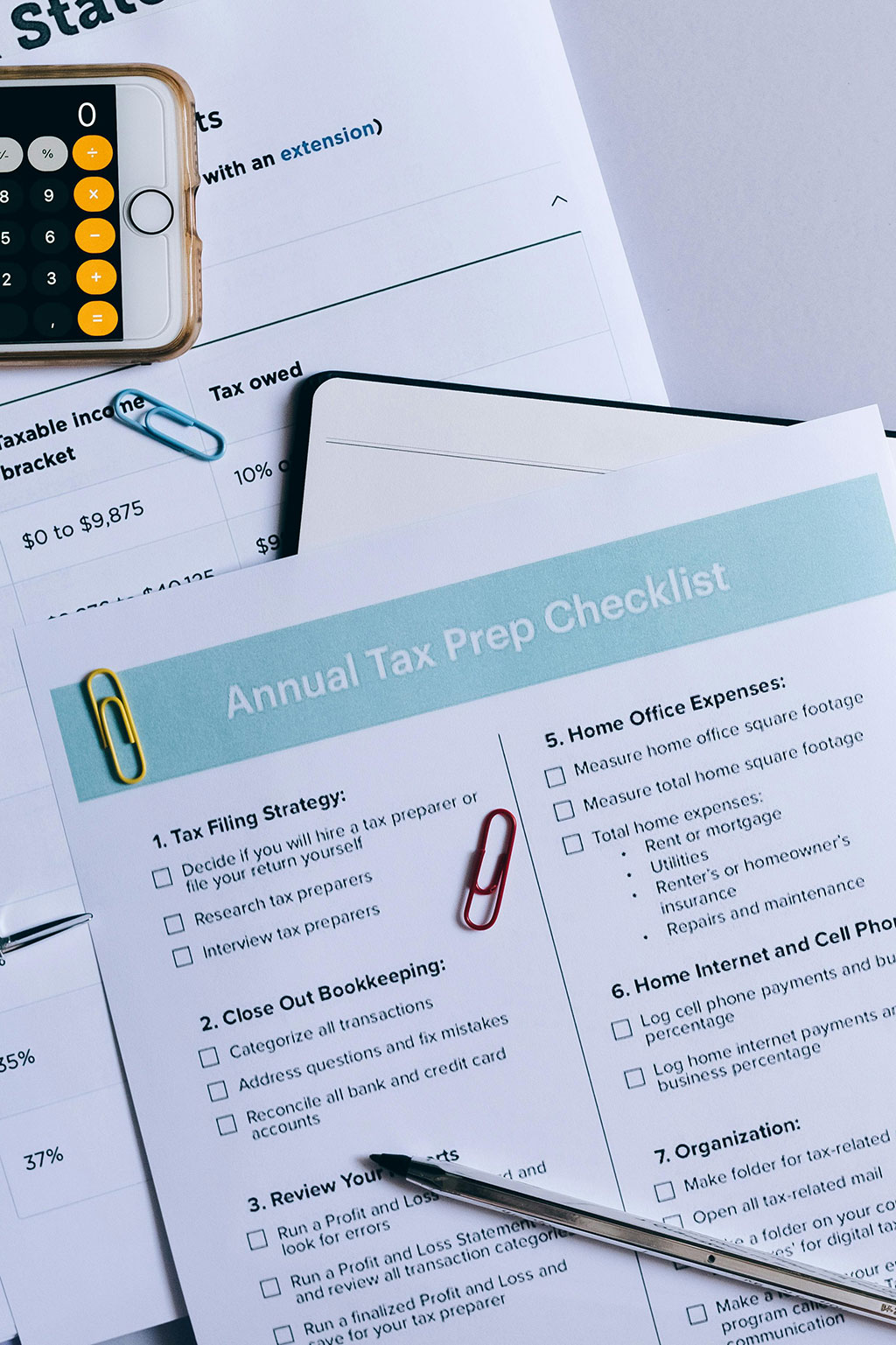
The biggest news for 2026 is that the individual income tax rates established years ago are now permanent. Instead of reverting to higher pre-2018 levels, the seven tax brackets remain at 10%, 12%, 22%, 24%, 32%, 35%, and 37%. The IRS also adjusted these brackets for inflation, meaning you can earn income before moving into a higher tax bracket.
A boost to the standard and senior deductions
The standard deduction continues to climb. For 2026, it rises to $16,100 for single filers and $32,200 for married couples filing jointly. This higher floor means many Americans will once again find that they may no longer need to itemize their deductions.
The most notable addition, however, is the new Senior Deduction. If you are 65 or older, you may qualify for an additional $6,000 deduction (or $12,000 for a married couple where both spouses qualify). This is a significant win for retirees, as it provides a meaningful reduction in taxable income on top of the existing standard deduction.
New “above-the-line” deductions for workers and families
The 2026 tax code introduces several new deductions designed to put money back in the pockets of workers and families:
- The overtime and tip deductions: Under the new rules, eligible workers can now deduct a significant portion of their income earned from overtime and cash tips. Cash tips are deductible up to $25,000 for those under certain income thresholds, while overtime pay has a similar deduction cap.
- The Child Tax Credit (CTC): The CTC has increased to $2,200 per child, providing additional relief.
- Car loan interest: If you bought a new vehicle that was assembled in the United States, you may be able to deduct up to $10,000 in interest paid on that loan, a deduction that has not been seen in the tax code for decades.
Relief for high-tax states: the SALT cap shift
For years, taxpayers in states with high property and income taxes complained about the $10,000 limit on State and Local Tax (SALT) deductions. Beginning in 2026, this cap has increased to $40,000. While it still phases out for the highest earners, this change makes itemizing a viable and valuable strategy again for millions of middle-class families in high-tax regions.
Permanent benefits for small businesses
If you run a small business, you can breathe easy knowing that the 20 percent Qualified Business Income (QBI) deduction is now a permanent fixture of the tax code. Furthermore, the 100 percent “bonus depreciation” has been restored, allowing you to fully expense many equipment and machinery purchases in the year you buy them instead of spreading the cost over multiple years.
These changes make 2026 a year of opportunity, but they also add layers of complexity to your filing. For more information on how these changes could affect you and how to strategize accordingly, speak with a financial professional.
834 Views
Related Posts





Popular Posts