The Power of Color Analysis
Interview with: Nicole Soyka
Photos courtesy of: Nicole Soyka
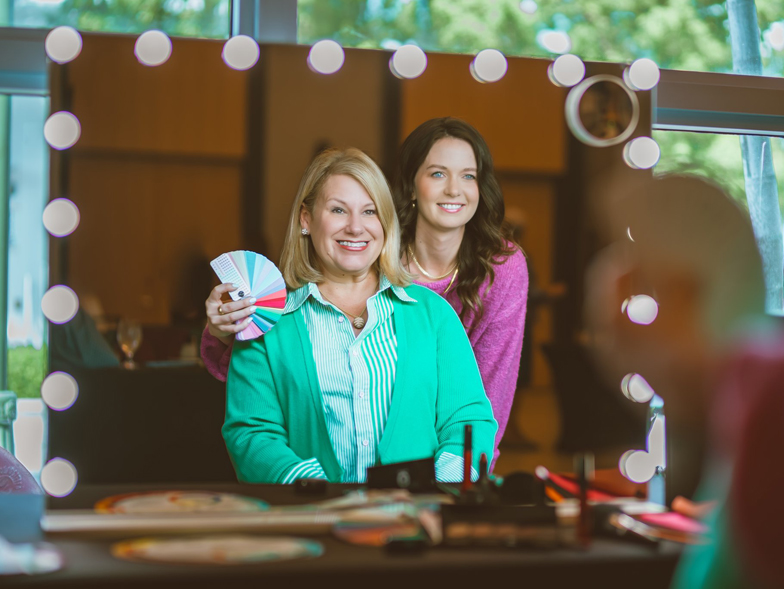
Nicole Soyka, Owner of the Stylery Colour Studio In St. Louis Park, Minnesota, shares how she uses color analysis to help clients look and feel confident by identifying the specific shades of clothing and accessories that best suit their complexion and facial features.
Tell us about yourself and the Stylery Colour Studio:
Three years ago, I was working in corporate America, doing what I thought I “should” be doing, but I felt this pull toward something more meaningful. I’ve always been drawn to fashion and color and eventually majored in fashion merchandising before interning with fashion designer Tracy Reese. During this time, color analysis was taking off, and I had a gut feeling that I could be good at it—and that it could be the vehicle for the kind of impact I wanted to have. I decided to get certified in color analysis and personal styling and opened the Stylery Colour Studio. It quickly became clear that I had made the right decision. Today, my business is flourishing, and I get to help people become their most confident selves.

What is color analysis?
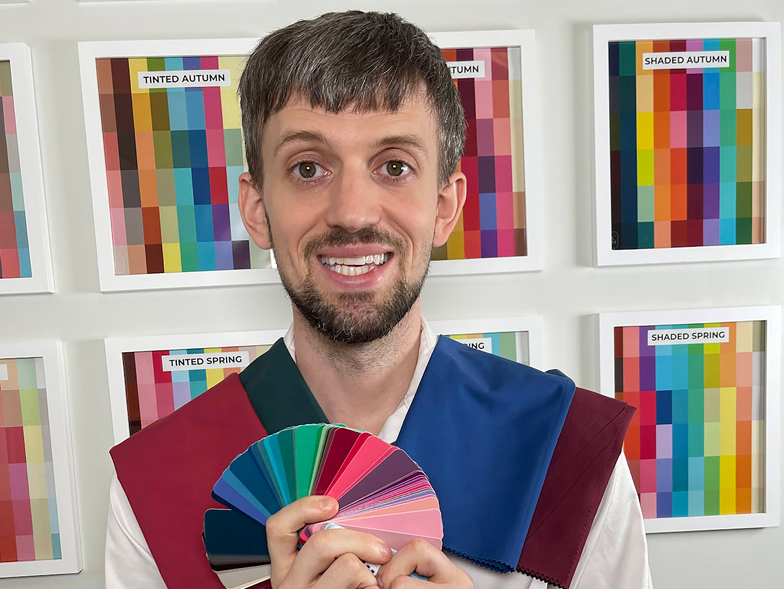
Color analysis is the science-based process of identifying which clothing and makeup colors harmonize with your skin tone, eye color, and hair color. I use a sixteen-season drape system that lets me determine the best color palette for each client, pinpointing the exact shades that make each one shine.
This system is a more advanced and nuanced version of the original four-season method. Everyone falls into one of four main seasons—winter, spring, summer, or autumn—based on whether their coloring is warm or cool and whether it goes light or deep. From there, I go even deeper into their subseasons, like soft autumn or bright winter, to determine their most flattering tones in terms of hue, value, and chroma. This process lays the foundation for building a wardrobe that works with their natural features rather than against them.
Would you walk us through the process?
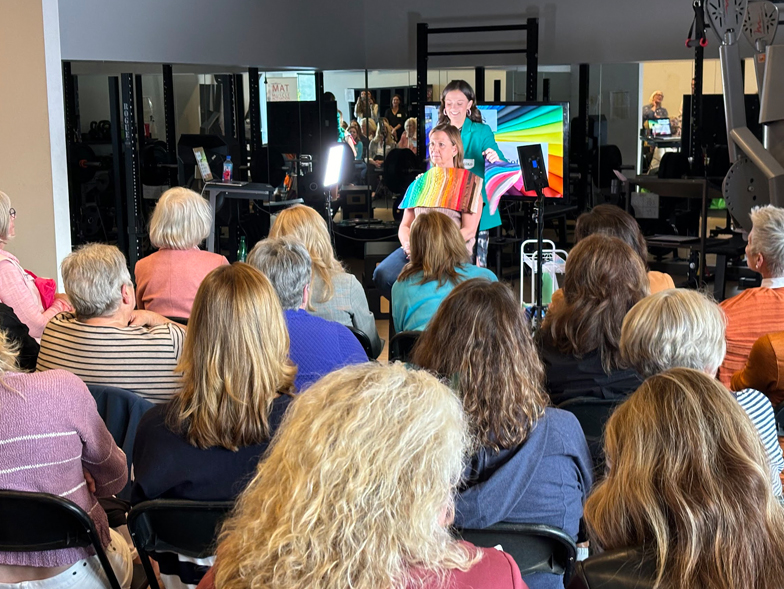
A client comes in wearing a white shirt with no makeup, which gives me a clean slate to see their natural coloring without any interference. From there, I start by looking at their skin overtones and undertones, examining their hair color, and studying their eye color, including any flecks and variations in it.
I then use our color drapes to systematically test three key dimensions. The first is looking at their hue or temperature, which helps determine if they’re warm, cool, or somewhere in the neutral range. I then assess value or depth, which determines if their features are light, medium, or deep. Finally, I test chroma or clarity to see if they’re better suited for muted, soft colors or bright, highly saturated ones. Once I’ve tested everything, I identify their season and subseason and provide a color palette of sixty shades that will help them look their most vibrant and healthy.
Throughout this process, it’s clear when a color works or doesn’t work for someone. When the color is wrong, their face looks washed out, shadowed, or even tired. In contrast, when the color’s right, you see a certain glow—the skin looks radiant, the under-eye areas brighten, the eyes pop, and their features look lifted.
What are the benefits of a professional analysis?
The biggest one is confidence. When you feel good in what you’re wearing, you carry yourself differently. That feeling can then radiate outward and affect how others respond to you. I’ve had clients tell me they got promotions, felt more comfortable dating, or just generally felt more “seen” and authentic after their analysis.
And, practically speaking, when you know what shades work for you, you can stop making expensive mistakes and buying items that won’t help you to feel like your best self. Instead, you can curate a collection that beautifully complements your skin, hair, and eyes, which can quickly turn getting dressed for the day from a stressful experience into a joyful one.
For more info, visit stylerycoloranalysis.com
955 Views
Related Posts





Popular Posts