Practicing Financial Safety with Smartphone Apps
Platforms like Venmo, Zelle, PayPal, and Cash App have made sending and receiving money almost effortless. Split a dinner bill, pay your dog walker, or reimburse a friend—it’s all done in seconds from your phone. If you use these apps regularly, you’re in good company.
However, being financially prudent means being cautious with your transactions. After all, the convenience these tools offer comes with risks that most users significantly underestimate.
The real benefits are hard to argue with
The case for smartphone payment apps is straightforward: They’re fast, free (for standard transfers and other basic services), and increasingly universal. Zelle, for instance, moves money directly between US bank accounts with no fees as well as near-instant delivery. Venmo and Cash App add social features and debit card functionality. PayPal extends your reach to online purchases and international transfers.
For day-to-day transactions with people you know and trust, these apps do exactly what they promise. If you’re paying your landscaper every Thursday or splitting a vacation rental with family, a payment app is genuinely the most frictionless option available. That’s a real and legitimate benefit.
The fraud picture is alarming
In 2024, the Federal Trade Commission received 90,571 reports of fraud through payment apps or services, a sharp rise from the year before. The reason fraud is so damaging on these platforms is structural.
Unlike credit cards, which offer built-in consumer protections such as chargebacks and dispute resolution, most peer-to-peer transfers operate more like digital cash: Once the money is sent, options for recovering it are extremely limited. Consumer Reports found that none of the four major money-transfer apps—Zelle, Venmo, Cash App, and Apple Cash—fully reimburse users who are tricked into authorizing payments to scammers. Typically, the only time you might recover funds is if your account was hacked and you played no role in approving the transfer.
The scams themselves don’t require any technical sophistication. Fraudsters exploit predictable human behavior. These include urgency, trust, and the assumption that a message from your bank is actually from your bank.
How to protect your transactions
The good news is that a few disciplined habits can dramatically reduce your fraud risk. First, treat these apps the way you treat cash. You should only send money to people you know personally, and avoid using them to pay strangers for goods or services when possible. For marketplace purchases, use a credit card with buyer protection enabled. This option gives you a dispute process if something goes wrong.
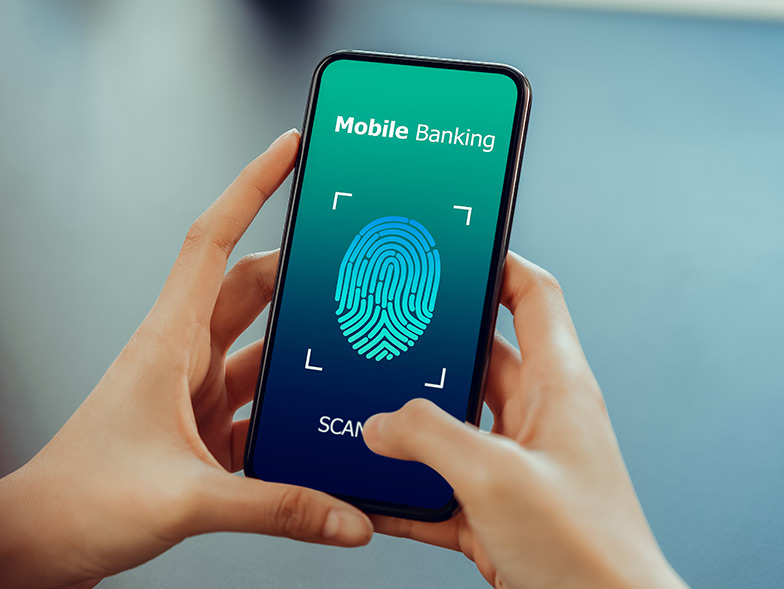
Second, enable two-factor authentication on every financial app, and set your Venmo transaction history to private. Public transaction feeds can expose your network and patterns to bad actors. Third, be skeptical of any message over text, call, or email that creates urgency around moving money. As financial advisor Drew Powers told Newsweek, “All scams follow the same patterns. An urgent opportunity or an urgent emergency, both triggering panic in the victim.” If something feels rushed, it’s worth a pause.
While these apps are commonplace, they don’t need to be troublesome. Used with the right boundaries, they’re genuinely useful tools. The goal is to make sure the convenience is working for you, not for someone else. For more advice on making sound choices with your finances, speak with a financial advisor.
46 Views
Related Posts





Popular Posts