
What to Do about Rising Living Costs
The economic landscape is constantly shifting.
As such, many households must navigate the challenges of rising costs of living. While macroeconomic trends remain outside your individual control, taking a proactive and disciplined approach to personal financial management may help you preserve your purchasing power and maintain long-term monetary stability. Let’s discuss some key areas where you can evaluate your expenses and optimize costs without compromising your monthly budget or quality of life.
Housing and utility management
Housing may represent the largest portion of your expenses. While it’s possible to refinance your mortgage rates or make other changes to these costs, the following steps may offer savings, no matter your living situation.
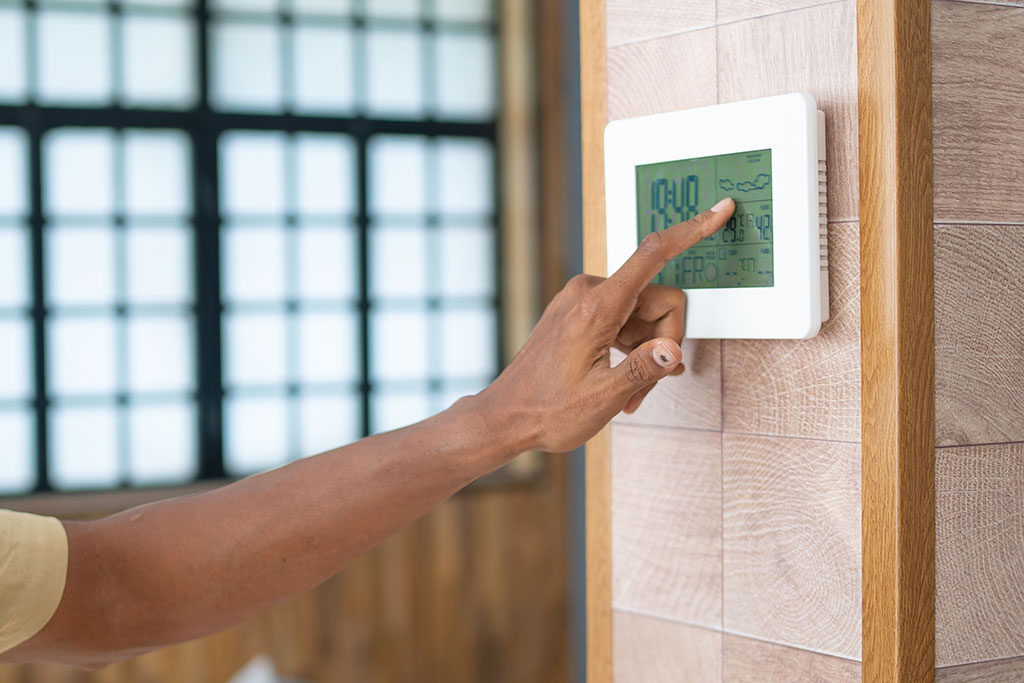
- Energy efficiency: Adjusting your thermostat settings during periods of vacancy or utilizing heavy drapery to mitigate thermal transfer may lead to reduced utility expenses. Furthermore, transitioning to high-efficiency lighting and sealing drafts around windows and doors can enhance your home’s thermal integrity.
- Preventative maintenance: Promptly addressing minor repairs, such as a leaking faucet or a worn HVAC filter, can prevent more substantial, high-cost repairs from building up over time. Scheduling regular maintenance also serves as a safeguard for your home-maintenance budget.
Shopping wisely
The costs of groceries and essential household goods are typically subject to market volatility. In fact, these are some of the earliest signs of economic changes among the general public. However, you can make changes to mitigate these costs.
- Meal planning: Developing a weekly meal plan based on your existing pantry ingredients and seasonal ones can reduce impulse purchases and limit food waste. Additionally, purchasing shelf-stable staples in bulk may lead to a lower cost per unit, provided that you consume them before they expire.
- Generic brands: In many instances, private-label or generic brands may be cheaper than their name-brand counterparts, especially at stores that offer a membership program. Shifting your brand loyalty in favor of value-driven alternatives can effectively reduce the total costs of each shopping trip.

Addressing other cost spikes
Transportation and digital services represent areas where you might see costs rise drastically.
- Transportation alternatives: To reduce fuel consumption and minimize vehicle wear, consolidate multiple errands into a single trip or explore carpooling and public transit options. You could also try cycling for both financial and health benefits.
- Subscription audits: In the modern economy, recurring digital subscriptions for streaming services, software, and memberships can quietly erode your budget. Conduct a monthly audit to identify and cancel services that are no longer needed so you can reclaim more capital.
Riding the wave
Ultimately, managing rising costs sometimes requires prioritizing needs over wants and investing a little more effort into savings. Diverting cash into an emergency fund, in particular, can help prepare you for periods of rising prices. With a little adjustment, you may be able to keep a consistent budget that can better withstand external economic conditions.
For advice on addressing these and other cost concerns, consider speaking with a financial advisor.
1364 Views
Related Posts





Popular Posts