Simple Meal-Prep Strategies for Fall
As the days grow shorter and autumn routines ramp up, maintaining healthy eating habits can quickly fall by the wayside.
Between school schedules, work projects, and social commitments, it’s easy to grab convenience foods instead of more balanced meals. But with a little planning and a few smart strategies, you can make nutritious eating easy, even during your busiest weeks. Try these practical meal-prep tips to help you stay fueled and focused this fall.

Start with a weekly plan
As you may have experienced, a little food forethought goes a long way, not only in reducing stress but also in helping prevent last-minute takeout runs. Consider starting each week by sketching out a simple meal plan—nothing elaborate, just a list of dinners and lunches you’ll prepare. Build your grocery list around those recipes, making sure to include versatile ingredients that can be used in multiple ways like roasted vegetables, cooked grains, and lean proteins. For example, grilled chicken can serve as a salad topping one night and a wrap filling the next.
Batch-cook the basics
Nobody likes the daily task of coming up with meals, so plan ahead. Set aside one or two hours each Sunday to batch-cook essential components for the week, focusing on items that reheat well and mix easily into different meals.
- Proteins: chicken, tofu, beans, ground turkey
- Grains: brown rice, quinoa, farro
- Veggies: roasted sweet potatoes, bell peppers, broccoli, brussels sprouts
Store these in labeled containers in the fridge so you can quickly mix and match and maybe even find inspiration. A little organization makes it easy to assemble healthy meals in minutes.
Embrace sheet-pan and slow-cooker meals
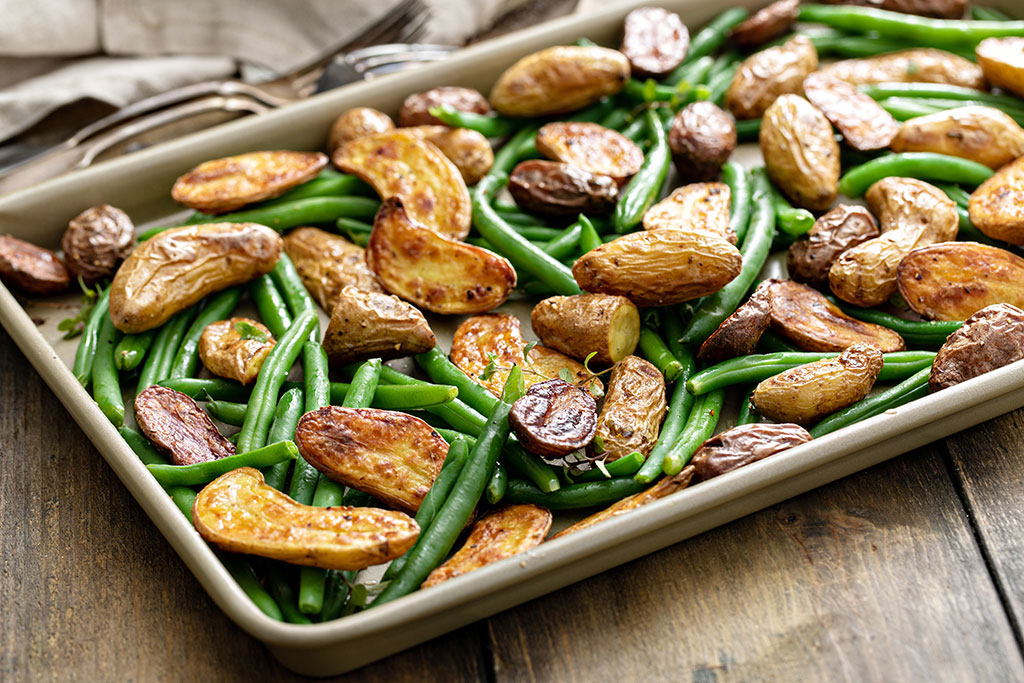
When time is tight, one-pan recipes are lifesavers. Toss chopped vegetables, a protein, and seasoning onto a baking sheet, then roast at 400°F for 25–30 minutes while you catch up on emails or help with homework.
Slow cookers and Instant Pots are equally useful. Just combine your ingredients—think hearty stews, chili, or shredded chicken for tacos—in the morning. Set the timer to slow cook and dinner will be ready later in the day. These tools make healthy eating nearly effortless.
Double up
Whenever you cook, consider making twice as much and freezing half for another day (soups, casseroles, and stir-fries freeze especially well), and label containers with the date and contents for easy rotation. This not only saves time but also gives you a backup plan for those hectic nights when full-blown cooking just isn’t realistic.
Use seasonal ingredients
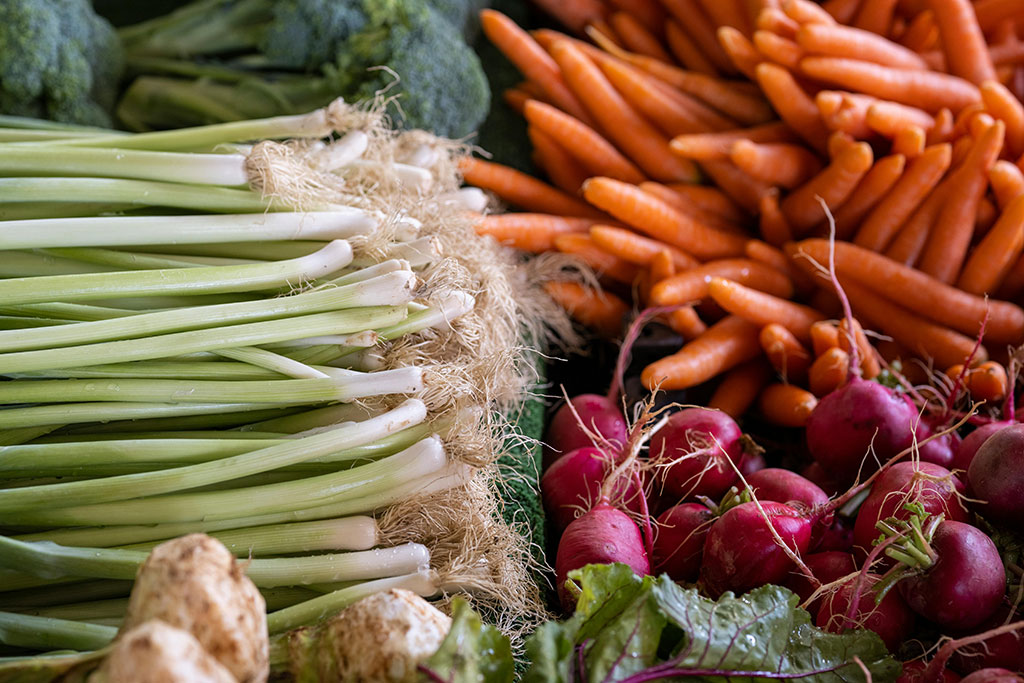
Fresh fall produce is often fresher, cheaper, and more flavorful, so take advantage of items like squash, apples, kale, and root vegetables to add variety and nutrition to your meals. Try making a roasted vegetable medley, apple-cinnamon overnight oats, or a butternut squash soup for a cozy, nutrient-rich dish.
Mix it up
It’s relatively easy to ensure that you and your family won’t eat the same thing all week. Swap in different sauces, dressings, and toppings to keep flavors interesting, and adopting even small changes—like substituting quinoa for rice or adding a new spice blend—can make your meals feel fresh and exciting.
Meal prep doesn’t have to be time-consuming or complicated. By using a little forethought, cooking in batches, and using seasonal ingredients, you and your loved ones can stay nourished and energized all fall long, no matter how busy life gets.
8 Views
Related Posts





Popular Posts