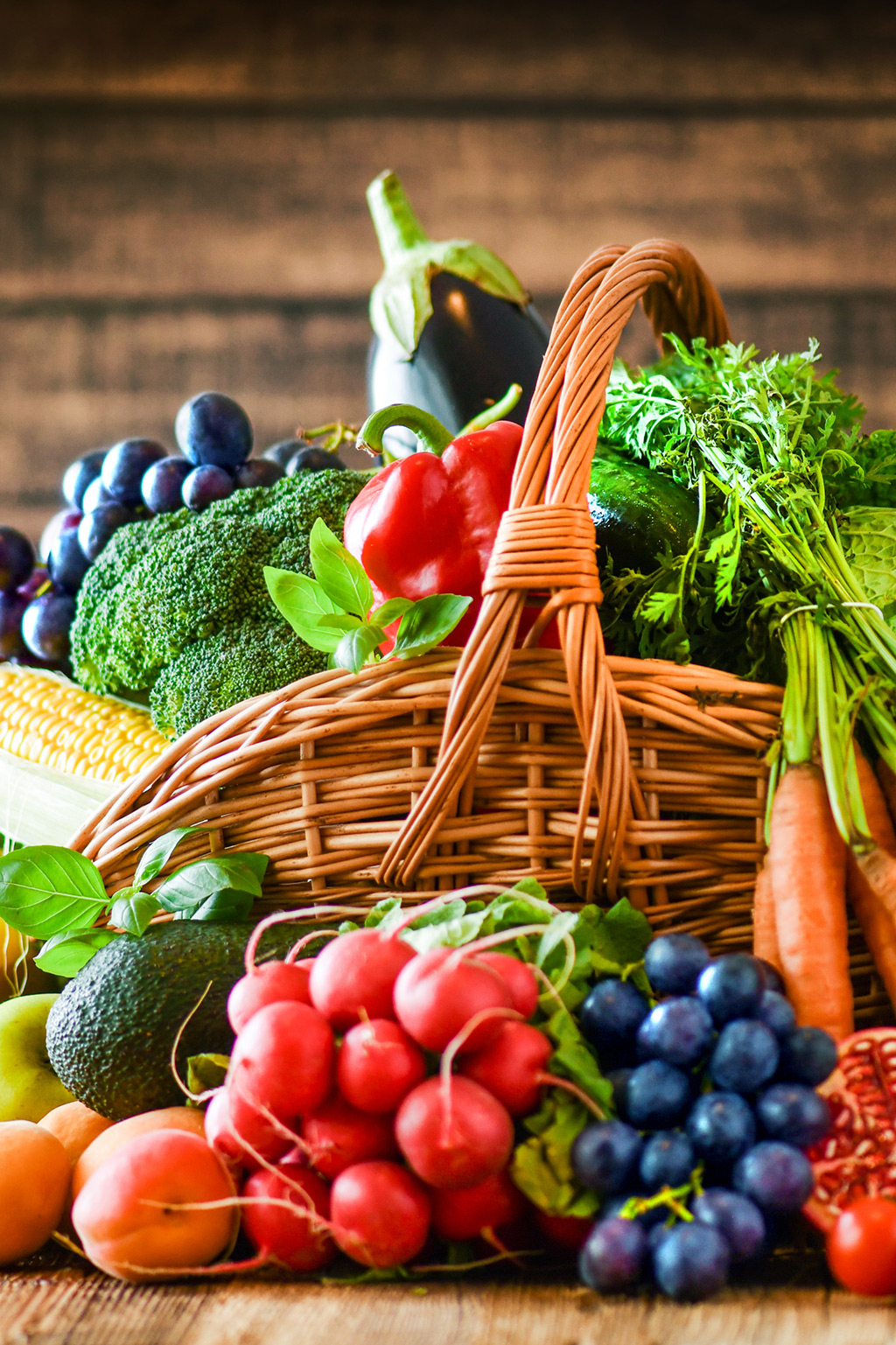
Fill Up on Fall Produce
If your idea of autumn eating includes pumpkin pie, caramel lattes, and candied apples, who can blame you?
But it’s important to balance these indulgences with wholesome and nutritious produce. Luckily, the harvest months have no shortage of fresh finds that you can incorporate into your diet. Check out some ideas for filling your plate with more seasonal fruits and vegetables without compromising the flavors that you look forward to most.
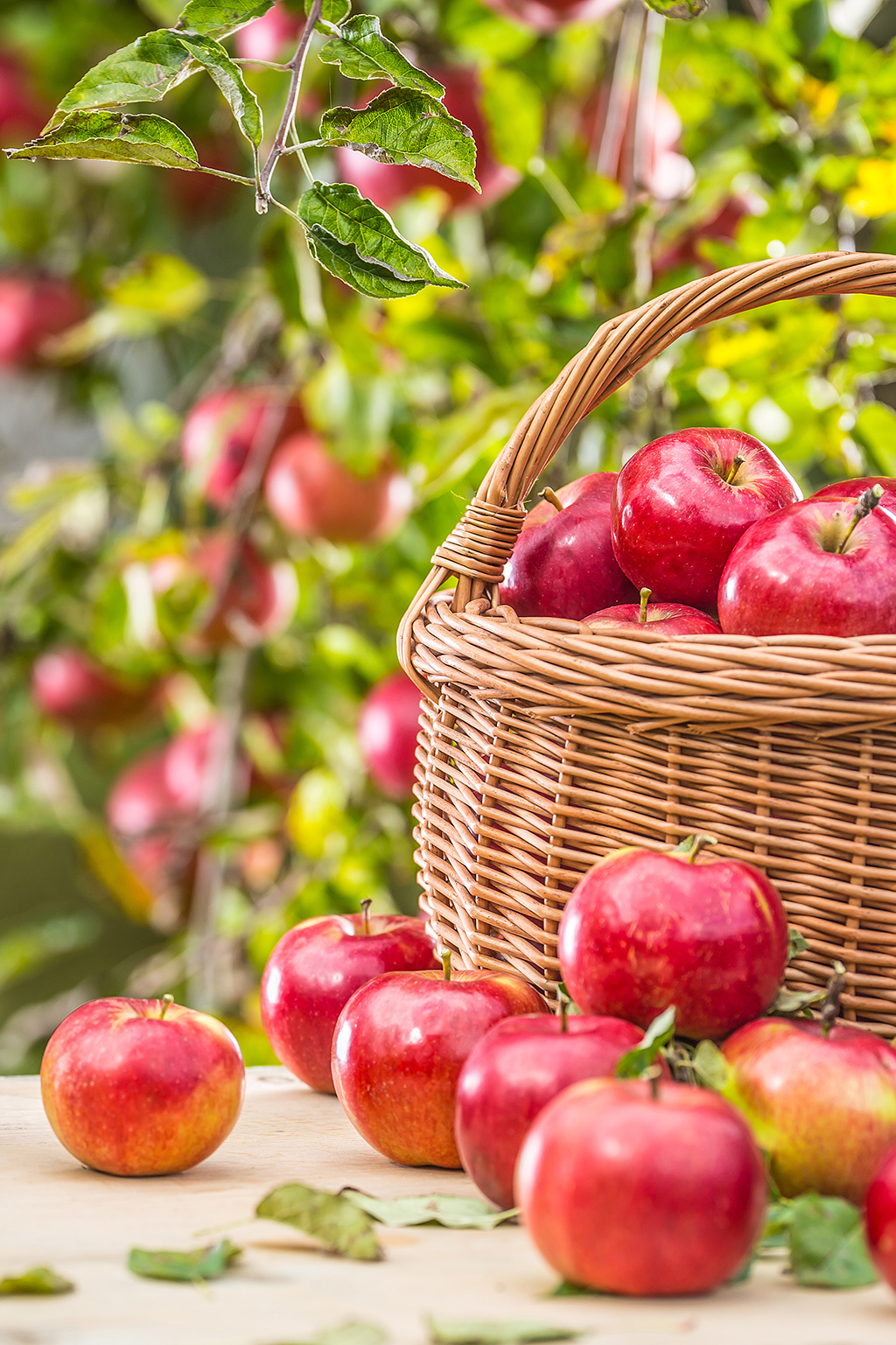
Apples
The fruit that may be synonymous with autumn offers an array of nutrients, including ones that can reduce your risk of heart disease and type 2 diabetes. Dunk slices in a healthy dip like plain yogurt or peanut butter, or try a wholesome dessert of lightly sweetened, cinnamon-spiced apples served on a bed of granola.
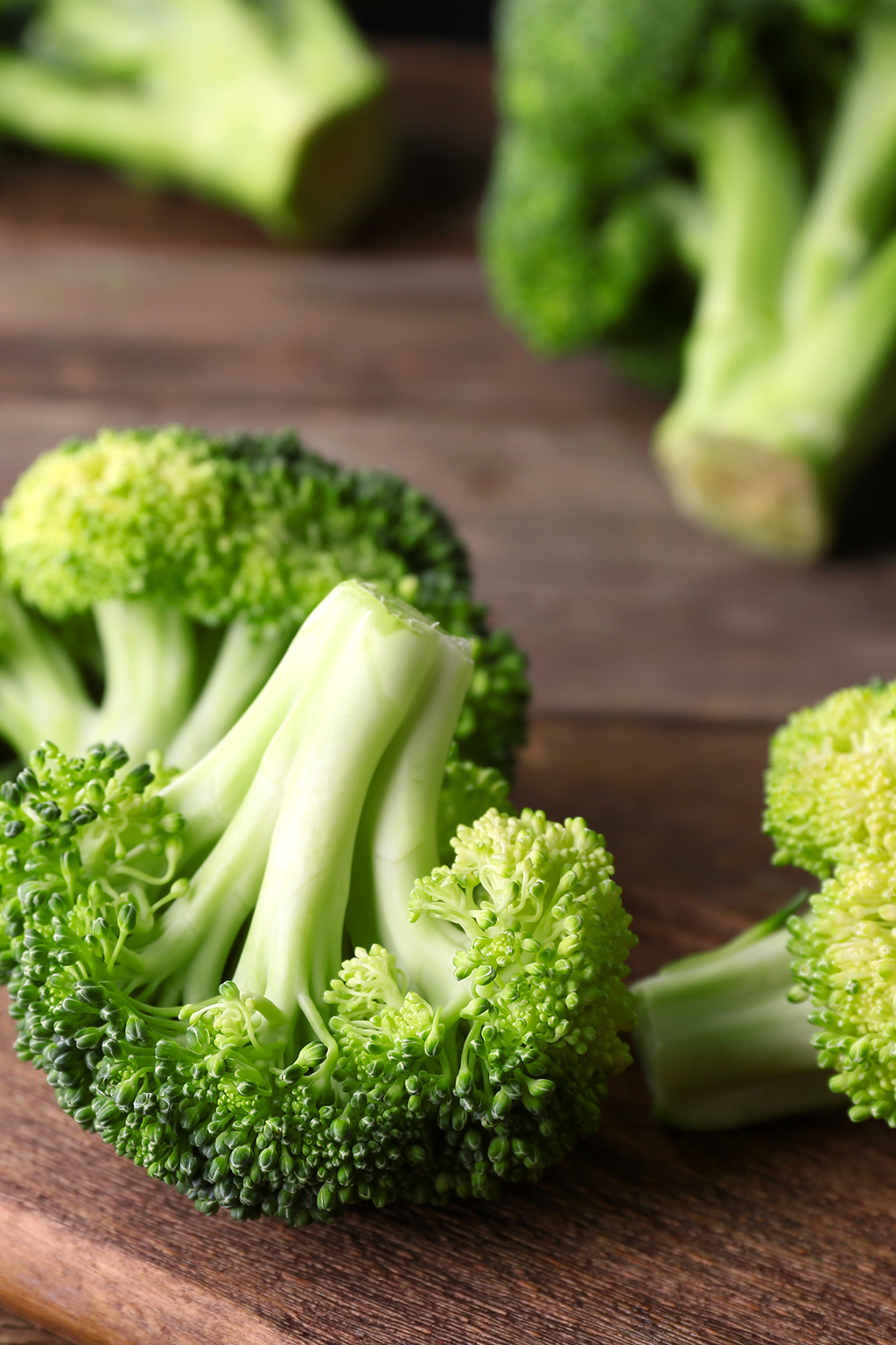
Broccoli
This vegetable is known for its ability to reduce inflammation and improve heart and bone health. To make it tastier without the ranch dressing, try sautéing the florets in olive oil with onions, garlic, lemon juice, parmesan cheese, and seasonings for a hearty and delicious side dish.
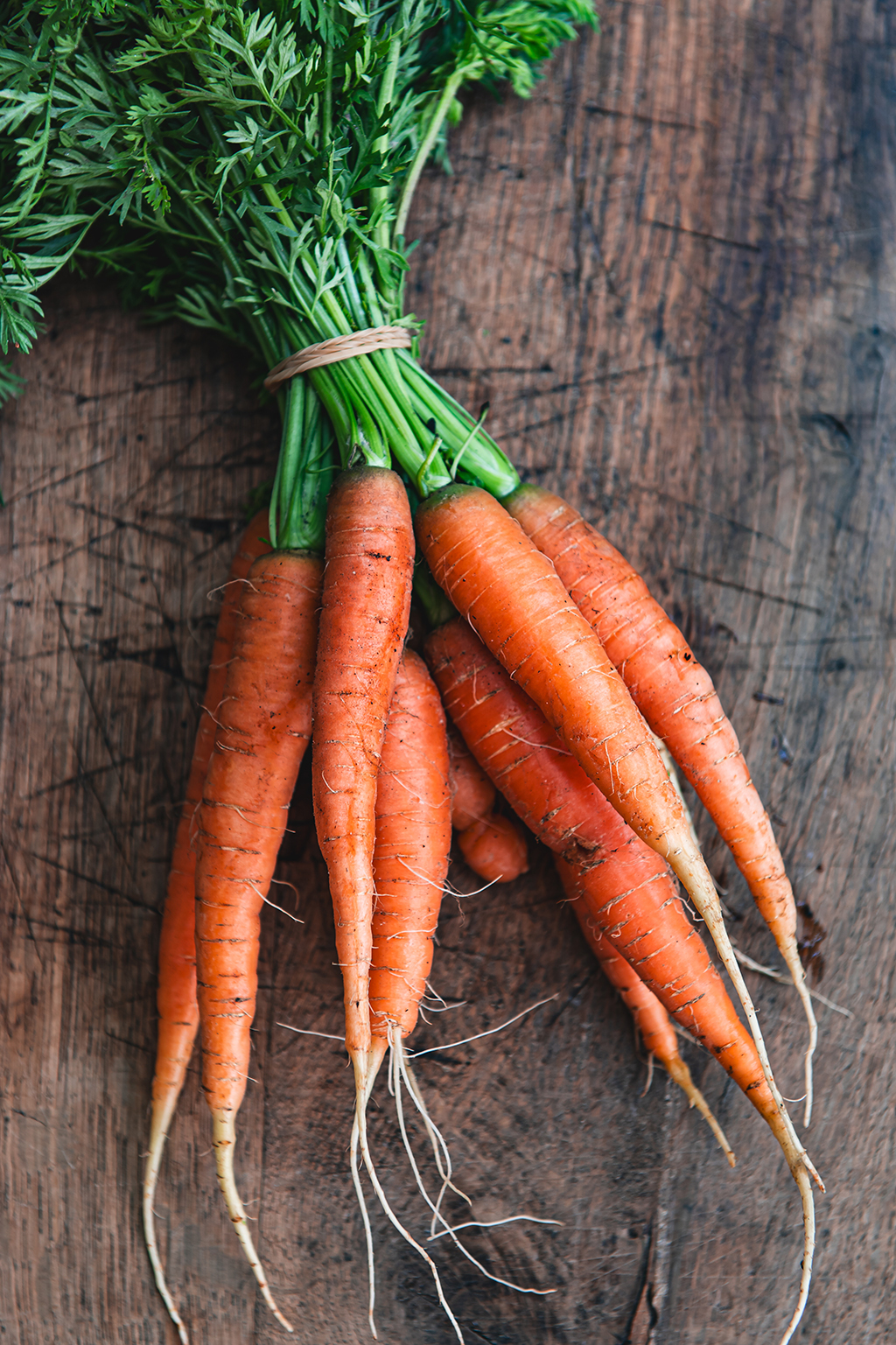
Carrots
Forget the dull, bagged baby carrots. If you want to enjoy this fall vegetable at its best, opt for whole ones, and add shaved slices to a light and veggie-filled Asian noodle salad. This is one of the best ways to enjoy more vitamin A, famously good for your eyesight as well as your cardiovascular health.
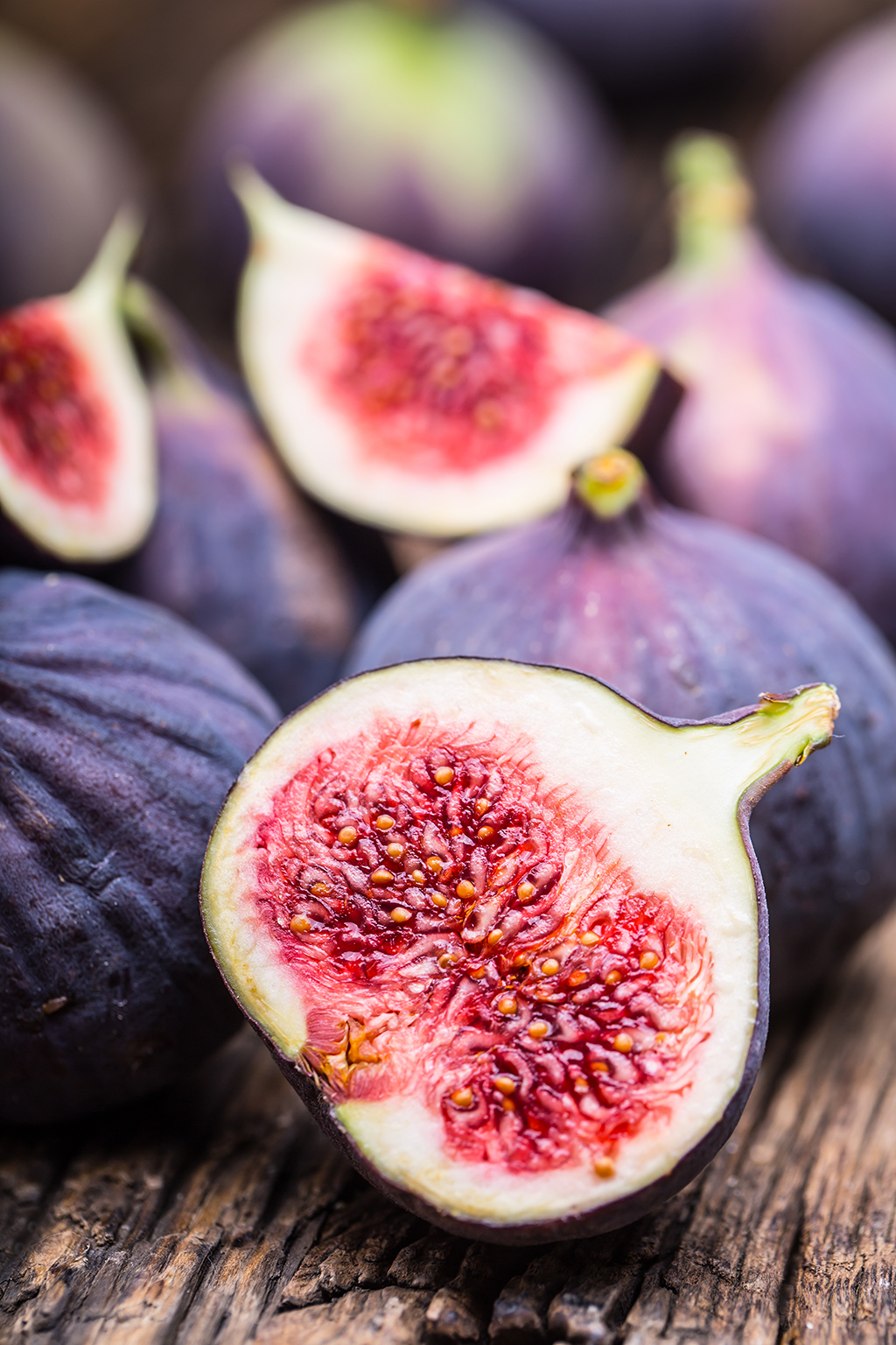
Figs
You don’t have to eat these fruits in Newton form. In fact, they’re tastier when enjoyed fresh as a simple, low-effort snack or served as a sweet touch on an arugula and walnut salad. Incorporate these plump little fruits to your diet as snacks or postmeal treats to get iron and antioxidants.
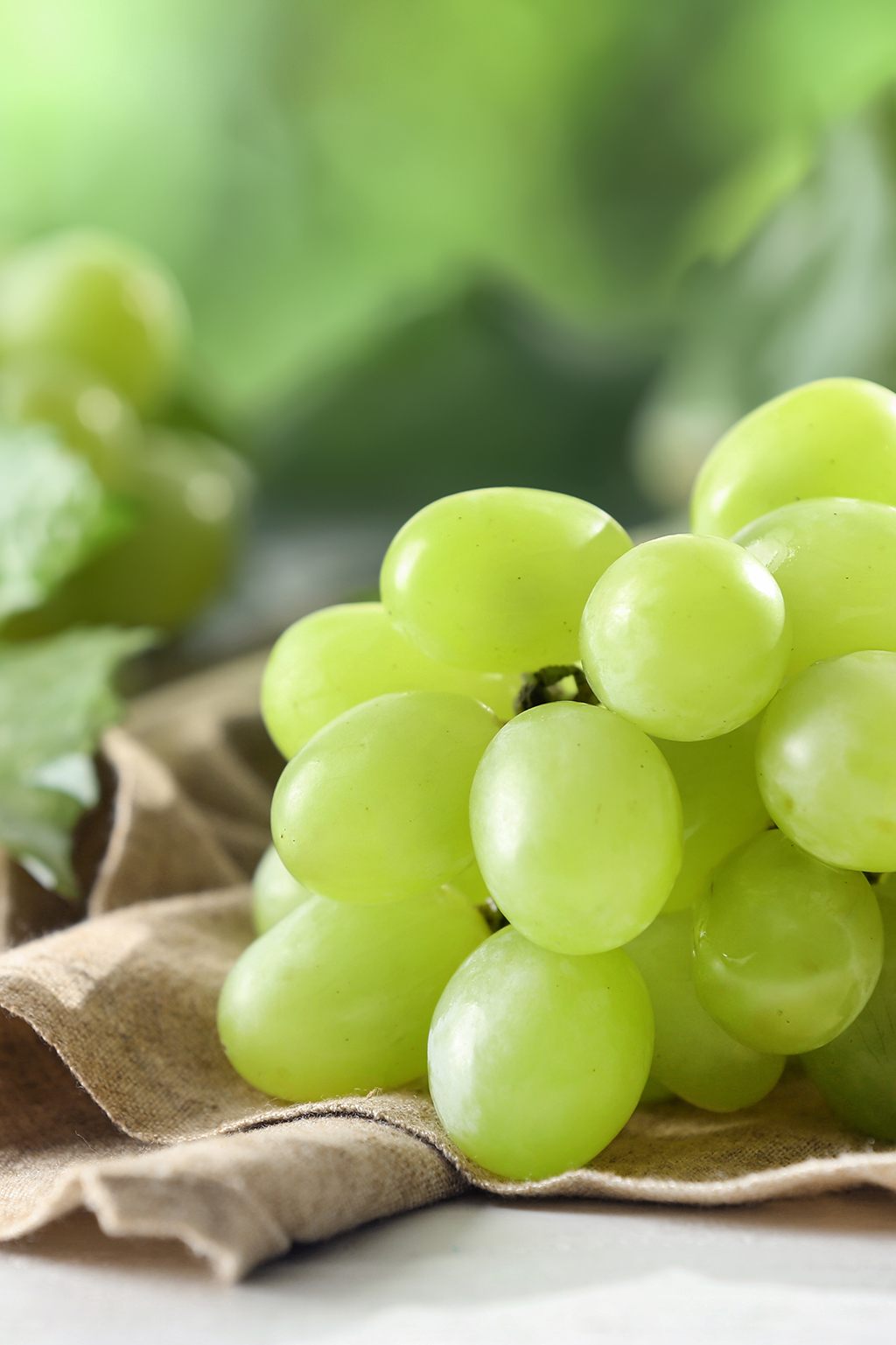
Grapes
Another example of nature’s candy, grapes are basically the perfect on-the-go snack right off the vine. However, if you want to find creative ways to get more of their copper (good for energy) and vitamin K (an excellent way to fight blood clots), try halving them and adding them to salads and trail mixes to make them more nutritious and filling.
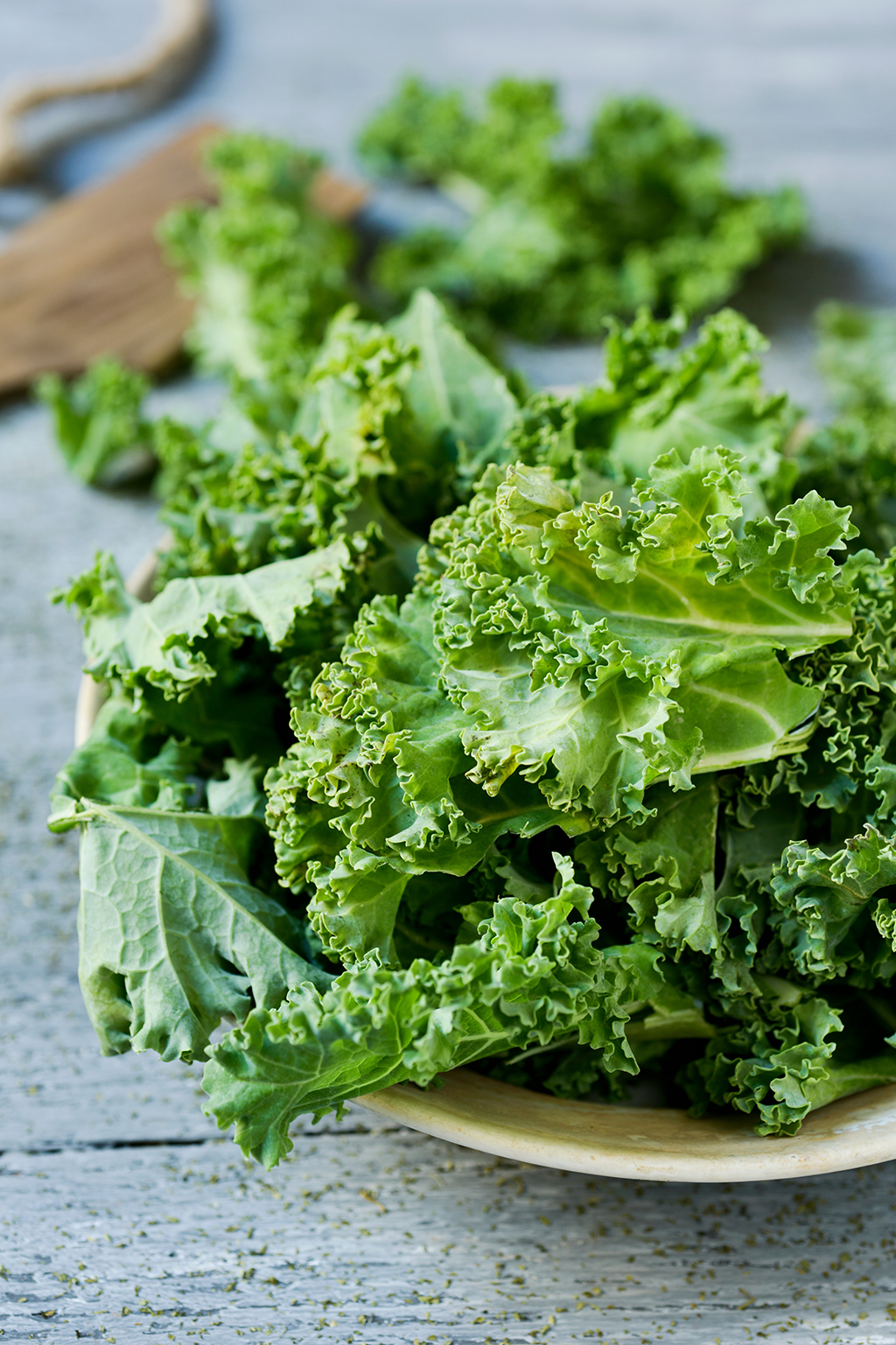
Kale
While its curly, deep-green leaves may not look the most appetizing, you can feature kale in recipes that don’t make it the star of the platter, such as a cheesy risotto or even guacamole. Needless to say, it’s a healthy ingredient; the vegetable is packed with vitamin K and plenty of other amazing nutrients.
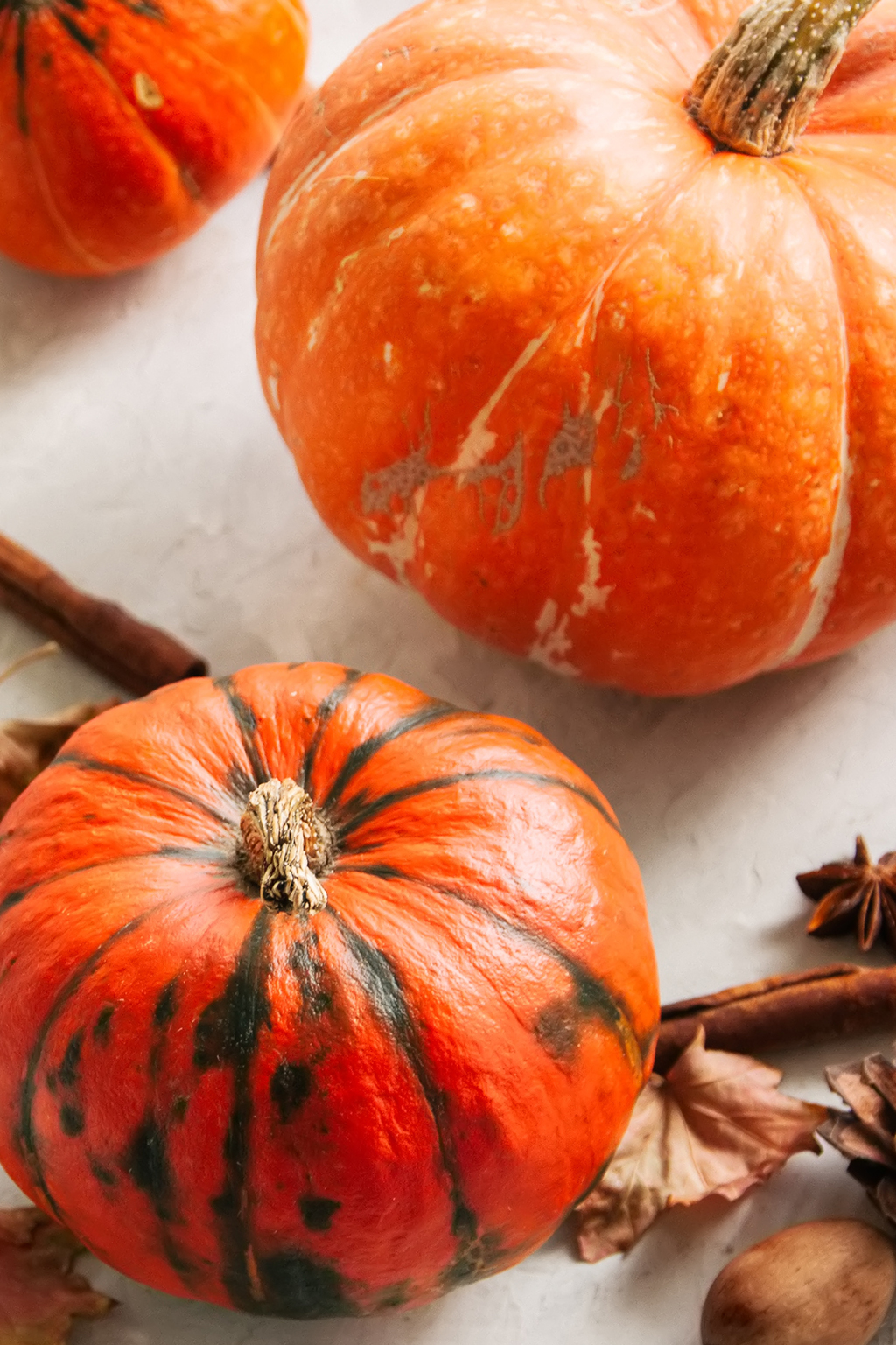
Pumpkin
Forgo the pumpkin-spice sweets and pies for healthier, more savory eats to enjoy lots of filling and skin-protecting nutrients. For example, you can make a simple puree with canned or fresh pumpkin, some olive oil, onion, garlic, sage, and a splash of milk for a vegetarian pasta sauce. You can even use the gourd as a healthy soup base—just add chicken stock and other filling ingredients for the perfect weeknight dinner.
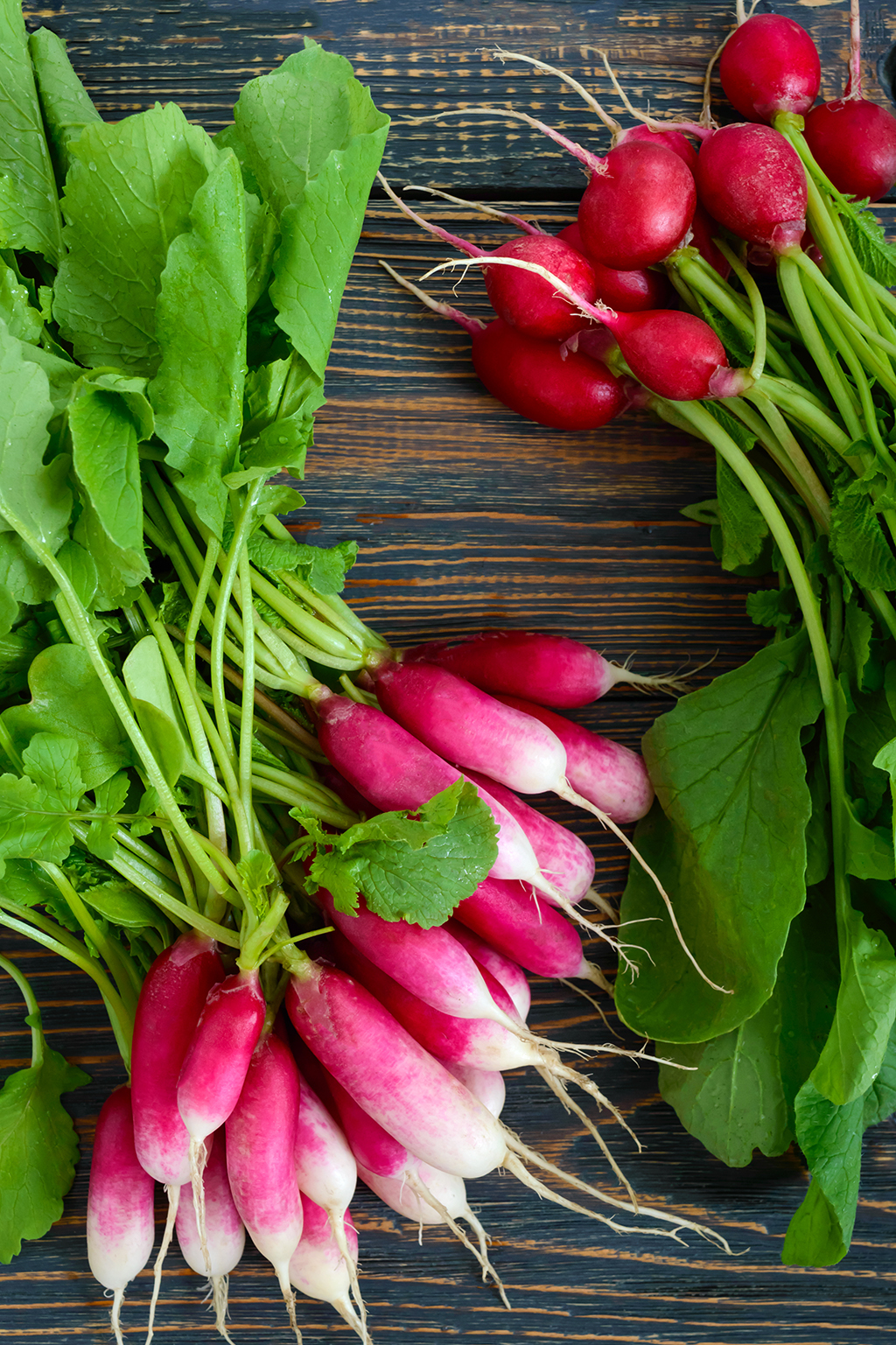
Radishes
A vegetable that may not be in your weekly grocery shopping rotation, radishes are packed with potassium, calcium, magnesium, and other components that can help you live healthier. Try slicing them thin and serving them in soups and baked meats, or roast them with seasonings and herbs for a surprisingly delicious side dish.
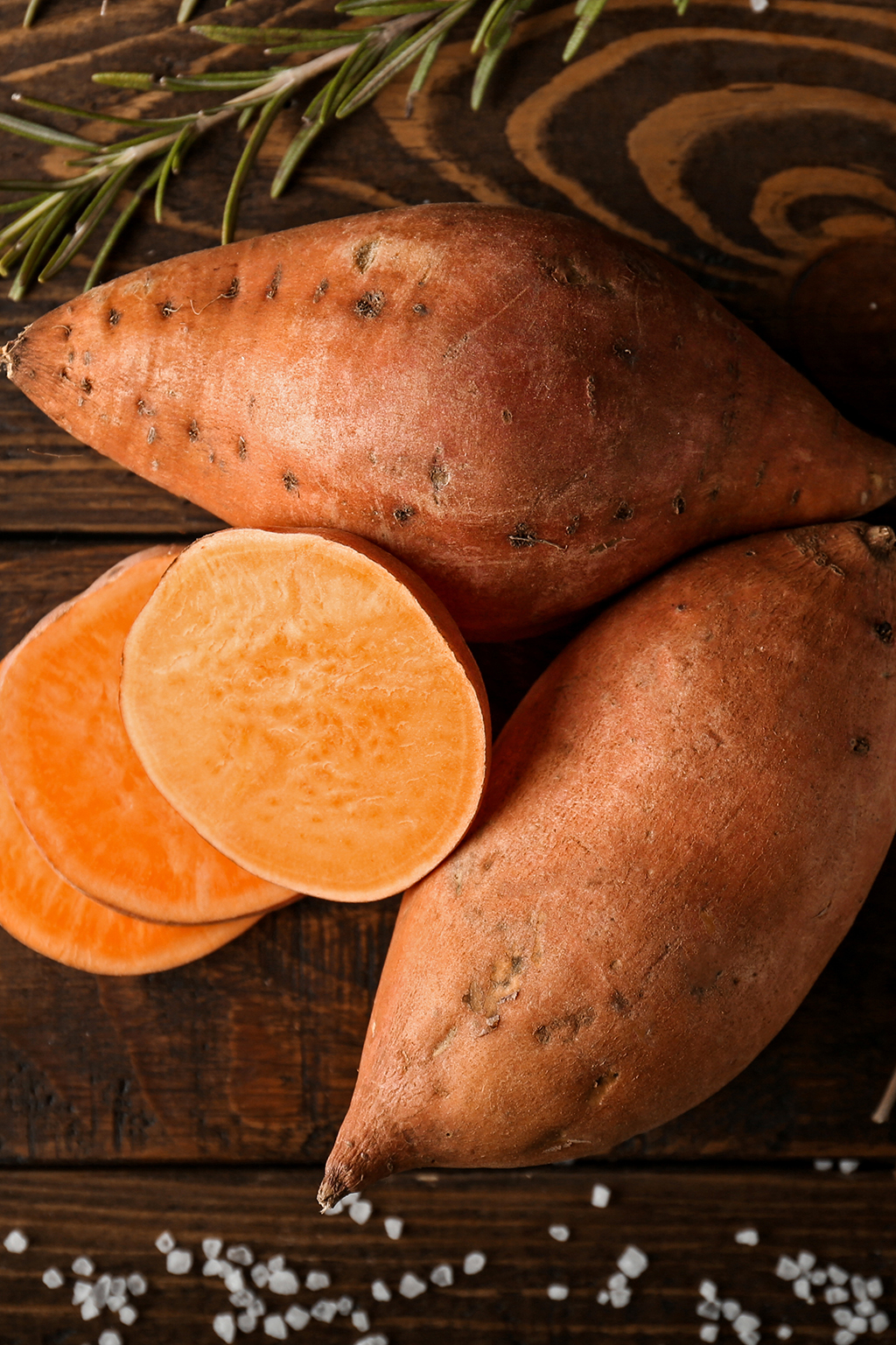
Sweet potatoes
An entry on many a holiday table, these plump and colorful root vegetables are absolutely bursting with healthy nutrients, including antioxidants and fiber. Bake and lightly season them for a low-effort side dish, or fry them and add them to soups and rice-based sides to make these dishes heartier and more beneficial.
594 Views
Related Posts



Popular Posts