The Power of Pilates
When you picture a workout that builds strength, improves posture, and sharpens focus, Pilates might not be the first thing that comes to mind. But for more than a century, this low-impact, whole-body exercise has helped people of all ages and abilities move better and feel stronger from the inside out.
Developed by Joseph Pilates in the early 1900s, it was designed as a system of controlled movements to help dancers safely recover from their injuries. Today, it’s a favorite form of strength training for fitness enthusiasts, physical therapists, dancers, and others who may be looking for a powerful way to stay active that emphasizes precision, alignment, and mindful breathing, ensuring that every small movement counts.
A workout for the whole body
At first glance, Pilates might seem gentle, but it’s anything but easy. Each exercise is designed to engage the core muscles—abdominals, back, hips, and glutes—that support your spine and help stabilize your body. Over time, consistent practice can improve your strength, flexibility, and balance, helping make daily activities such as sitting at your desk feel easier and more natural. One of the most appealing aspects of Pilates is how effectively it tones and strengthens without adding bulk. Instead of isolating muscles, these workouts focus on and train multiple muscle groups at the same time.
And because it’s kind to your joints and can improve their range of motion, Pilates can also be an ideal form of exercise for people with arthritis, chronic pain, or injuries who still want a challenging yet restorative workout. It also focuses on form and control rather than speed and intensity and can easily be modified for different needs and skill levels. A twenty-five-year-old runner might use it to enhance performance and prevent injuries, while a seventy-year-old might focus on gentle movements to support balance and joint health.
The mental benefits
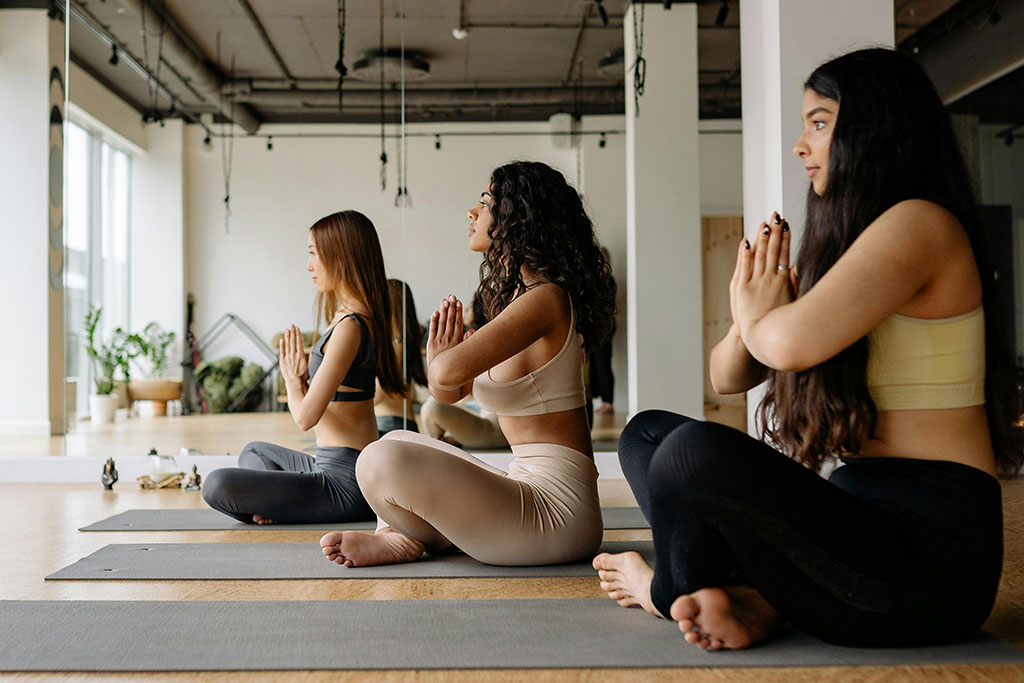
With that being said, the perks of Pilates extend far beyond the physical. At its heart, it is a mind-body routine that emphasizes concentration, breath control, and body awareness. Each movement requires focus and intentionality, encouraging you to fully tune in to the exercises rather than zone out; such mindfulness can quiet the chatter of everyday life and promote a greater sense of calm. And while the controlled breathing can help you move more efficiently through the exercises, it’s also thought to reduce stress and tension. Some research shows that continued practice can decrease symptoms of anxiety and depression, enhance mood, and even improve sleep quality.
The different types of Pilates
There are several forms of this exercise to choose from, and understanding the differences can help you find what works best for your goals. Here’s a closer look at five of the available options.
- Classical: This method closely follows Joseph Pilates’s original sequence of thirty-four movements, emphasizing structure, flow, and traditional technique.
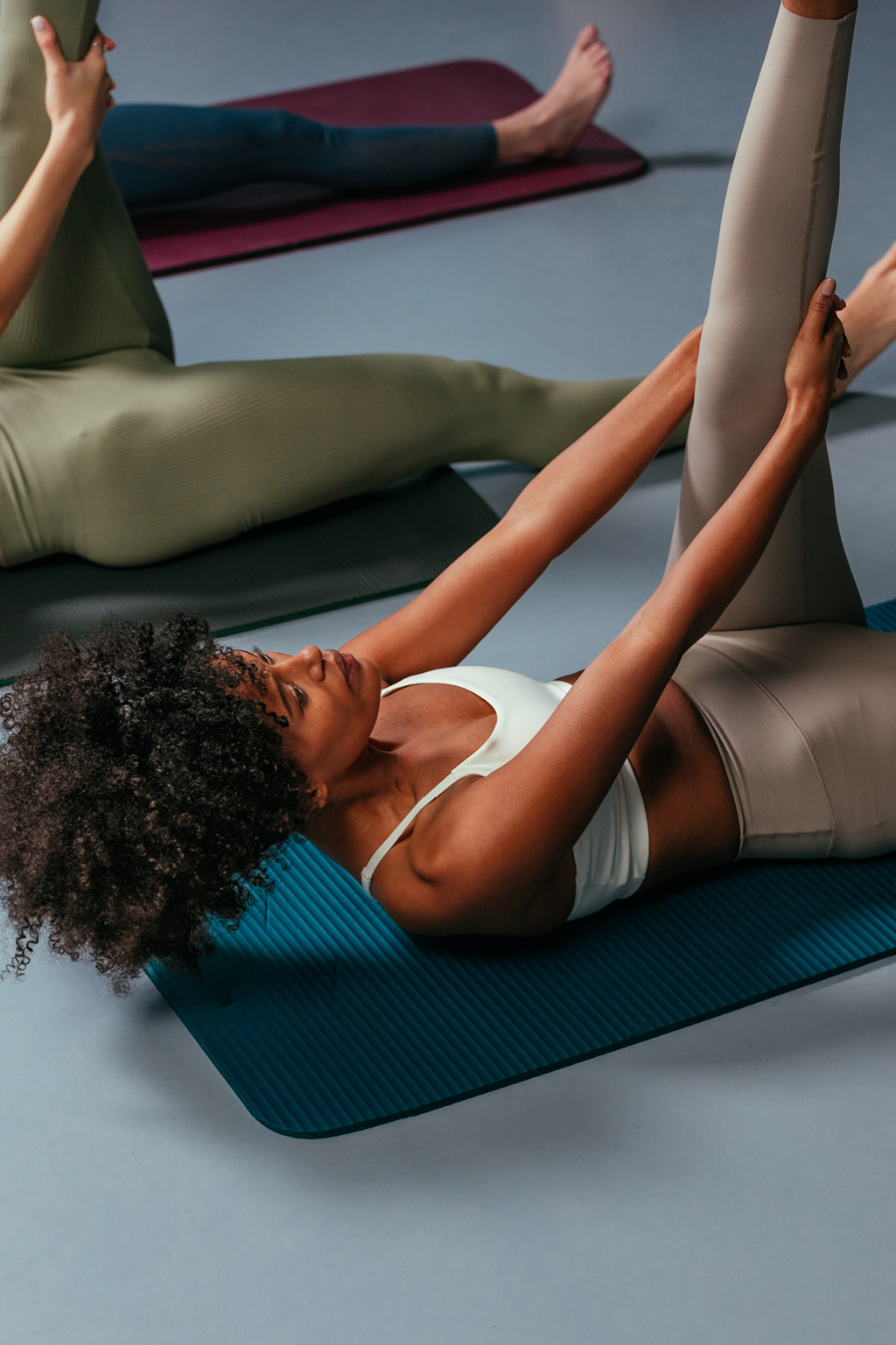
- Mat: One of the most accessible formats, mat Pilates uses body weight and minimal equipment, making it ideal for beginners and easy to do at home.
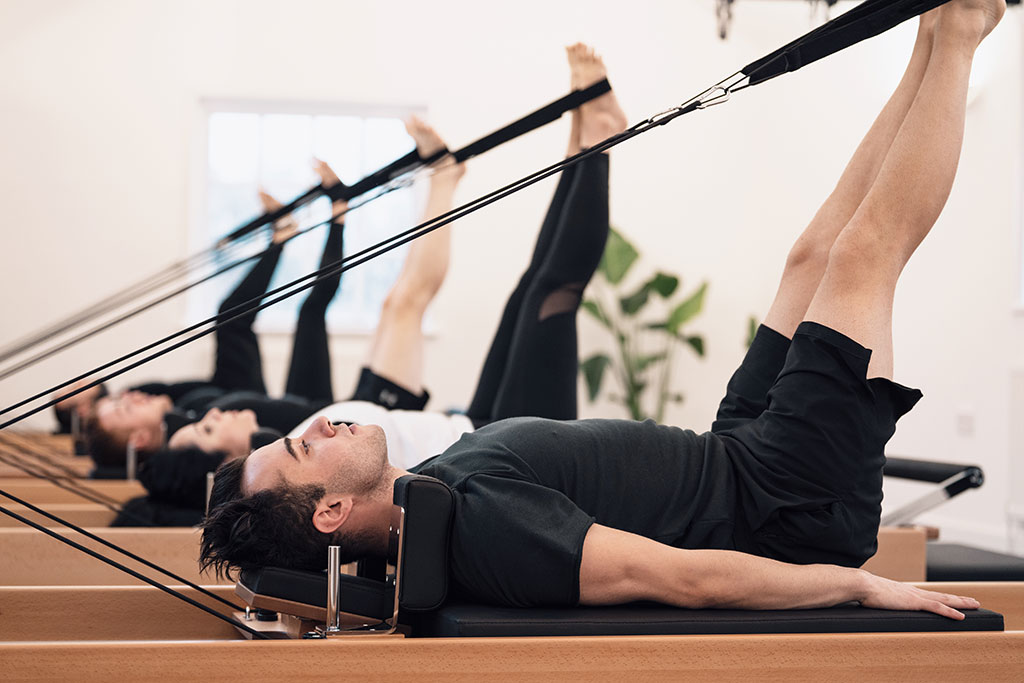
- Reformer: Performed on a spring-based machine, reformer adds resistance for a deeper challenge. It’s excellent for building strength, balance, and body awareness.
- Contemporary: This blends classical Pilates with modern science and rehab techniques, sometimes incorporating weights, cardio, or functional movement.
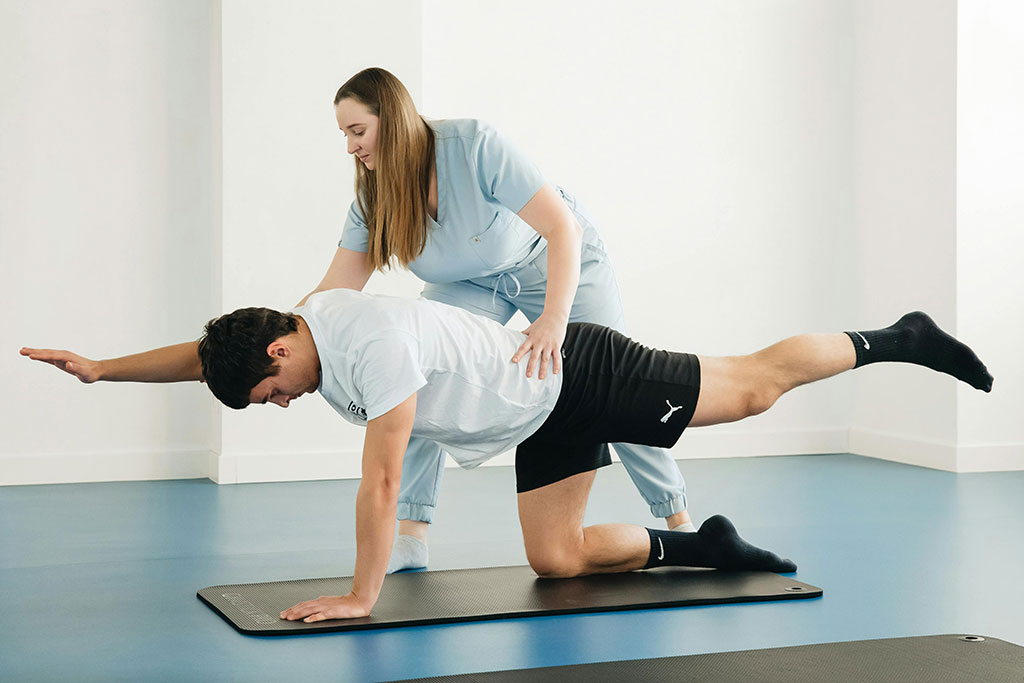
- Clinical: Typically guided by a physical therapist or certified instructor, clinical Pilates focuses on the rehabilitation of pain or injury.
Each type shares the same foundation of mindful movement and precision, so it’s easy to transition between them once you’ve learned the basics. If you’re new to Pilates, you can practice the fundamentals with a beginner-level class or an online video series led by a certified instructor. As you practice more, focus on mastering your form before increasing difficulty.
The key to progress is consistency. Just two to three sessions a week can make a noticeable difference in your strength and flexibility within a few months. And remember: Pilates is about taking a journey to better wellness, not perfection.
*Be sure to consult with your doctor before starting any new exercise routine.
26 Views
Related Posts





Popular Posts