Managing Seasonal Affective Disorder
As the sun begins to set earlier and the weather cools, it’s only natural to feel less motivated as you long for warmer, sunnier days. However, if these feelings deepen and persist, it might be more than just the winter blues—you may be experiencing seasonal affective disorder (SAD), a type of depression that’s triggered by seasonal changes.
Symptoms
SAD can manifest in various ways, including enduring feelings of sadness, frustration, and anxiety. Many people report having low energy, difficulty sleeping or waking up in the morning, and a loss of interest in activities they once enjoyed. Physical symptoms such as headaches, abdominal pain, and unintended weight loss may also occur, interfering with daily life and overall well-being.
If this sounds familiar to you, you’re not alone— approximately 5 percent of American adults are affected by SAD, with women generally being more susceptible than men. Additionally, you may be more likely to experience it if you have a family history of SAD or personal history of depression or if you live in a northern region or somewhere with frequent cloud cover. This issue most often begins in fall or winter and improves with the arrival of spring, though it can arise in summer as well.

Why it happens
While the exact causes of SAD remain uncertain, diminished sunlight during the colder seasons is widely believed to play a key role. Research indicates that this can disrupt the hypothalamus, a part of the brain responsible for regulating several essential biological processes. The result may be lower levels of serotonin, one of several “feel good” chemicals, and higher levels of melatonin, a hormone that promotes sleepiness. Furthermore, the lack of light can disturb the body’s circadian rhythms—the twenty-four-hour cycles that govern sleep, mood, and overall mental health.
Treatment
If you suspect that you’re experiencing SAD, there are several lifestyle adjustments you can adopt to help alleviate its effects. The best part? These habits aren’t just useful for managing seasonal depression; they’re also great for promoting overall well-being.
Get some light
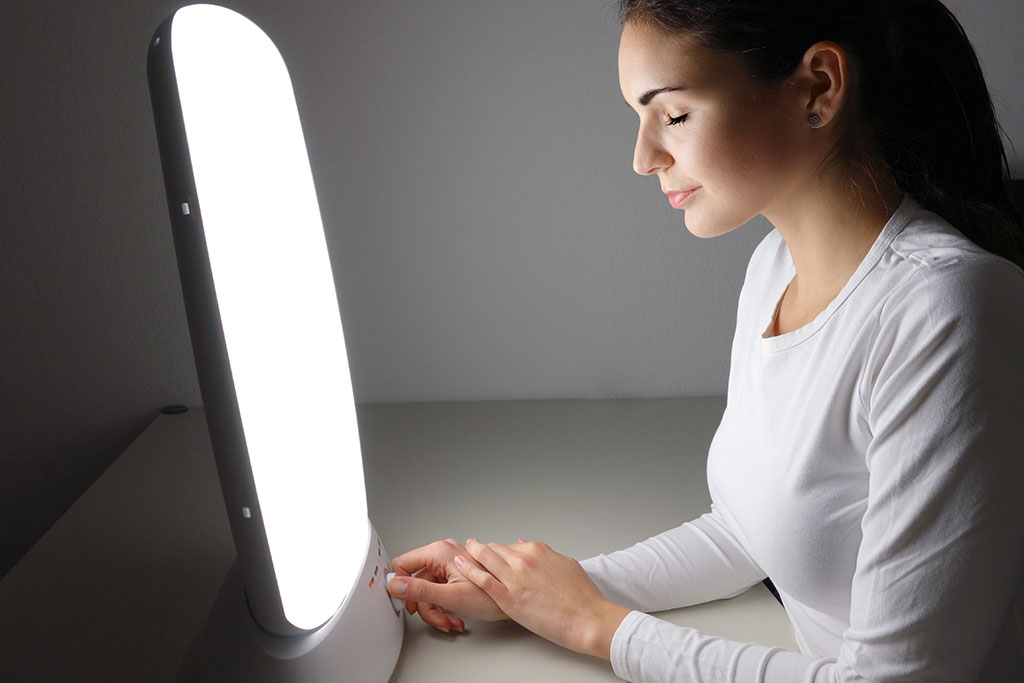
Exposing yourself to at least some natural light daily may augment your emotional fitness and energy. For instance, try to make time in the morning to enjoy a bit of sunshine, or take a walk outside during your lunch break; as a bonus, exercise can further fortify your mental health. You can also consider light therapy, which involves using a light-therapy box to mimic natural sunlight and help regulate the brain’s production of serotonin and melatonin. While these special lamps are available without a prescription, it’s best to utilize them under the guidance of a health-care professional since improper use can lead to side effects like headaches, eye strain, and dizziness.
Manage stress
Try melting away some of your stress with a relaxation technique like meditation, gentle yoga, or art therapy. Such activities may make it easier to cope with the ups and downs you may feel with the changing of the seasons.
Socialize
Sometimes, the best remedy is simply spending time with others, whether it’s reconnecting with an old friend, chatting with neighbors, or enjoying quality moments with your kids or grandkids. Nurturing existing social connections and building new ones can do wonders for your mood and general well-being.

Focus on sleep
Make a habit of waking up and going to bed at the same time every day to maintain your circadian rhythms—consistency is critical for improving sleep quality. In addition, you should aim for at least seven hours of sleep daily and limit caffeine and screen time later in the day; both can stimulate your mind and make it difficult to fall and stay asleep. The blue light from the latter can also inhibit your brain’s production of melatonin.
Travel
Consider planning a getaway to a sunny destination—for instance, a bustling city filled with engaging outdoor entertainment or a beach where you can unwind on the warm sand and dip your toes in the shimmering blue sea. A change of scenery like this may be just what you need to revitalize your mind, body, and spirit.
By taking these proactive steps, you can significantly mitigate any SAD symptoms you may be experiencing during the colder months. Note, however, that if you are struggling to manage them or they are becoming more severe, it’s critical that you consult your doctor or a mental-health professional as soon as possible. They can recommend additional treatments such as antidepressants or psychotherapy, giving you the support you need to improve your mental wellness both this season and beyond.
4863 Views
Related Posts





Popular Posts