
Is Reverse Budgeting Right for You?
One of the most crucial components of managing your lifestyle and goals is budgeting. This process of tracking how your money comes in, goes out, grows, and changes helps you get a handle on everything from monthly payments to forecasting your retirement.
However, this essential tool often goes underutilized. Business Wire reports that nearly half of all Americans don’t have any written financial plans, including a budget.
Whether you’re new to budgeting or seeking an alternative that could help you keep better track of your funds, consider a plan that may offer surprising benefits: the reverse budget.

Overview
A reverse budget, also known as a “pay yourself first” plan, involves directing funds into your savings before making any other money moves. While many people tend to see savings as financial leftovers, this plan shifts it into the spotlight and considers virtually all other monetary responsibilities or wants as secondary.
By setting aside a portion of your paycheck each time money comes in, you can better ensure that you are actually saving money for your emergency fund, short-term goals like taking a vacation, and long-term goals like buying a home. However, this budget can still assist you in preparing for all your ongoing expenses, such as mortgage payments and groceries. What is considered lowest priority in this budgeting method is discretionary spending: dining out, shopping, and other non-essentials. Your leftover money can then be directed to these wants.
Pros
Adopting this budget carries many perks, including the obvious one of prioritizing saving money. This move may particularly suit those who feel they lack the discipline or know-how to set aside money in savings regularly. For example, parents could instruct their children to use a reverse budget to learn about the importance of setting aside funds.
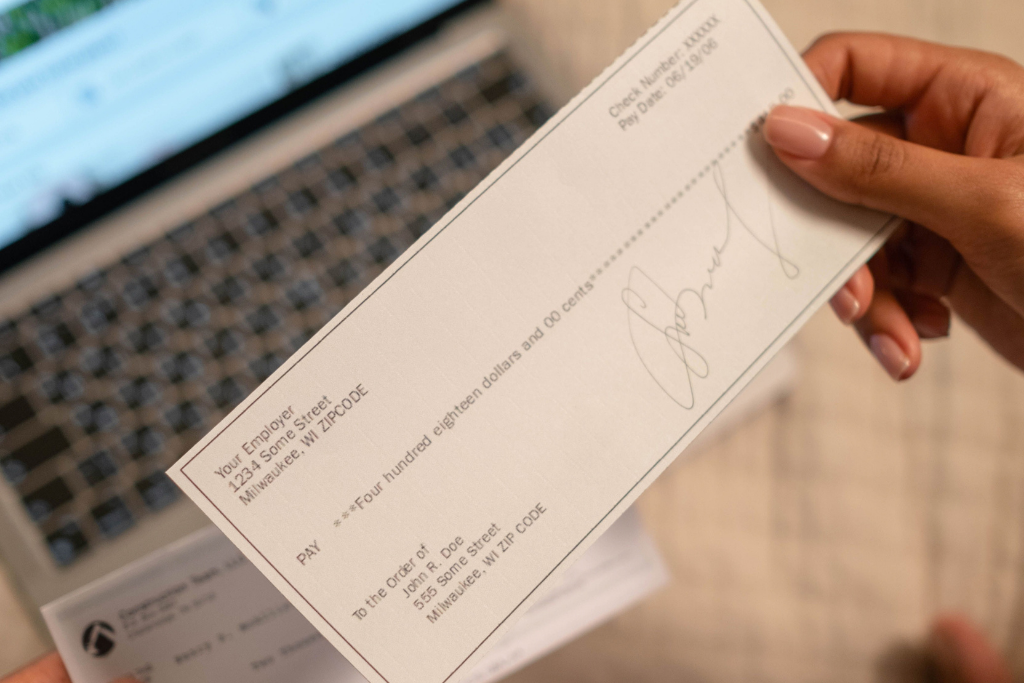
It also requires relatively little oversight and management and can be automated; simply enroll in automatic transfers so your bank directs a certain percentage of funds into savings. As an alternative or partner savings plan, you can move a portion of your paycheck to your employer’s retirement program.
Cons
However, this strategy may not be ideal if you have bills you need to prioritize, such as high-interest debt. And while saving money is an excellent move, it’s not viable for some individuals who have costly financial needs they need to manage first. Moreover, even those living with a comfortable ratio of income to expenses could accidentally mismanage their funds and leave themselves short on money if they don’t plan carefully.
Setting up your budget
If you’re interested in trying a reverse budget, here’s what you need to do to get started:
- Evaluate your funds: Pull up all bank and credit card statements for accounts you use to make payments, and calculate your average spending over the last several months. To be safe, consider rounding up so you leave room for unexpected cost hikes or increases to variable expenses (utilities, groceries, etc.). Then total your post-tax income.
- Decide how much to pay yourself: While saving 10 percent of your paycheck is classic advice, you might opt for a different figure based on your current financial standing or goals. Another alternative is to use the 50/30/20 budget: spending 50 percent of your money on needs, 30 percent on wants, and 20 percent on savings.
- Review and adjust: A budget isn’t set in stone. As the weeks or months proceed, you may decide to alter the amount of money you pay yourself in savings—raising it to better prepare for your future goals or lowering it to better handle ongoing monetary responsibilities. You might even choose to abandon it entirely if you feel using reverse budgeting doesn’t help improve your finances.
When adopted diligently, a strategy like reverse budgeting may help you stay on top of your short and long-term goals. For more information and guidance on managing your money, get in touch with a financial professional.
12 Views
Related Posts





Popular Posts