Exercise with Ease
Intense exercise carries the risk of injuring your muscles and joints, especially if you’re a senior. However, personal trainer Henry Pollock of GYMGUYZ in Austin, Texas, explains how you can work out more safely with low-impact alternatives.
Tell us about your fitness background:
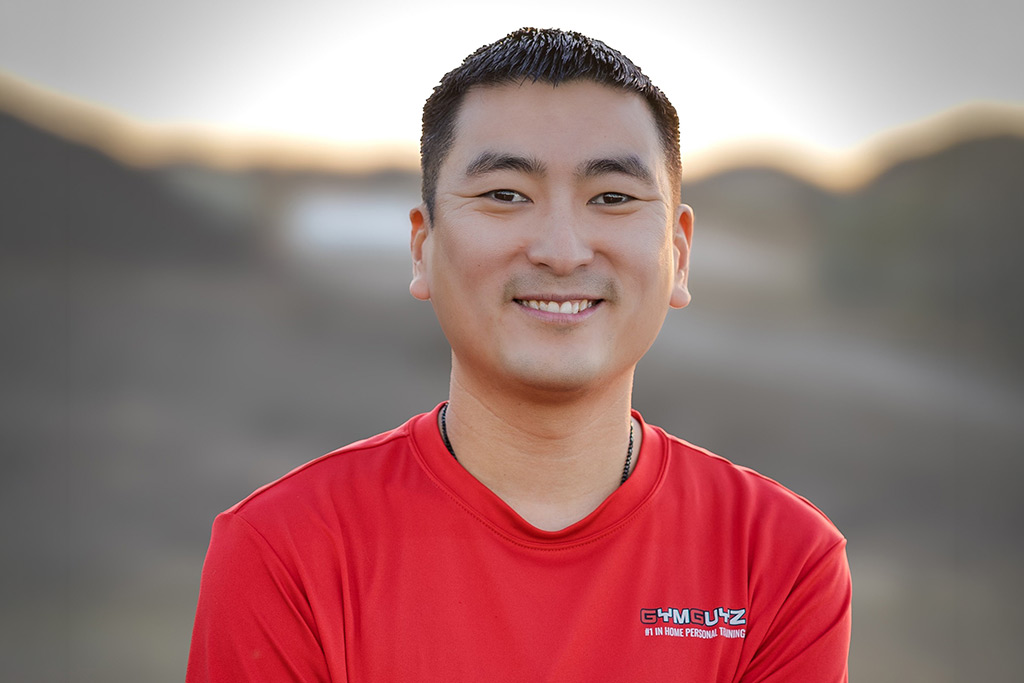
I’ve been in fitness and parks-and-recreation management for about thirteen years. I started by receiving a personal training certification then started working for a municipal recreation center, where I fell in love with the parks system. I worked my way up the chain and have had multiple certifications, including becoming an ISSA Certified Master Trainer, which is my current role at GYMGUYZ.
I’ve held over 2,500 sessions in my time, guiding a variety of different classes and clients. I absolutely love fitness, and my motto is always to make people healthier and happier than when we first met.
How would you define low-impact exercise?
These are exercises that aren’t too hard on any of the muscles or joints. They’re easily accessible for seniors and won’t cause any further injury or extreme pain to their workload.
High-impact activities include anything that involves jumping or heavy weight lifting. Obviously, we don’t want to put seniors through intense sprinting, downhill running, or heavy squats, for example. But “high-impact” is a relative term depending on the person, and it’s not necessarily a bad thing—just as low-impact doesn’t necessarily mean “good workouts.” Exercising safely is really just about not stressing the body past a certain point.
Should even young and able-bodied people be concerned about impact?
In a sense, yes. You can always overload your body, and high-impact exercise always carries more risk than low-impact fitness. The former has a place in any routine, though. Weight training is a great exercise for many seniors, for example. You’ll need to build lean muscle mass as you get older, which can keep you safe against falls and other risks. These people should tailor their approach to high-impact exercises, not omit them.
What are some examples of low-impact exercises?
These include squatting-to-standing moves or sitting-to-standing ones, using the wall to do push-ups, doing calisthenics on a floor or bench, and other body-weight exercises like hip hinges or thrusts. These are exercises you can do without incorporating extra weights. Some other low-impact exercises that I strongly recommend, especially for seniors, are yoga and water or aerobic exercises. Getting in the water is extremely good for your body because it naturally diffuses impact, but you can still stress the right muscle groups and get a good cardio workout.
Recumbent bikes, ellipticals, and upper-body bikes also offer great cardio exercise. These are generally low-impact in nature and carry a low risk of injury. Some other good types of training include balance exercises, such as tai chi and slow-marching with heel-toe movements.
How important is form for impact?
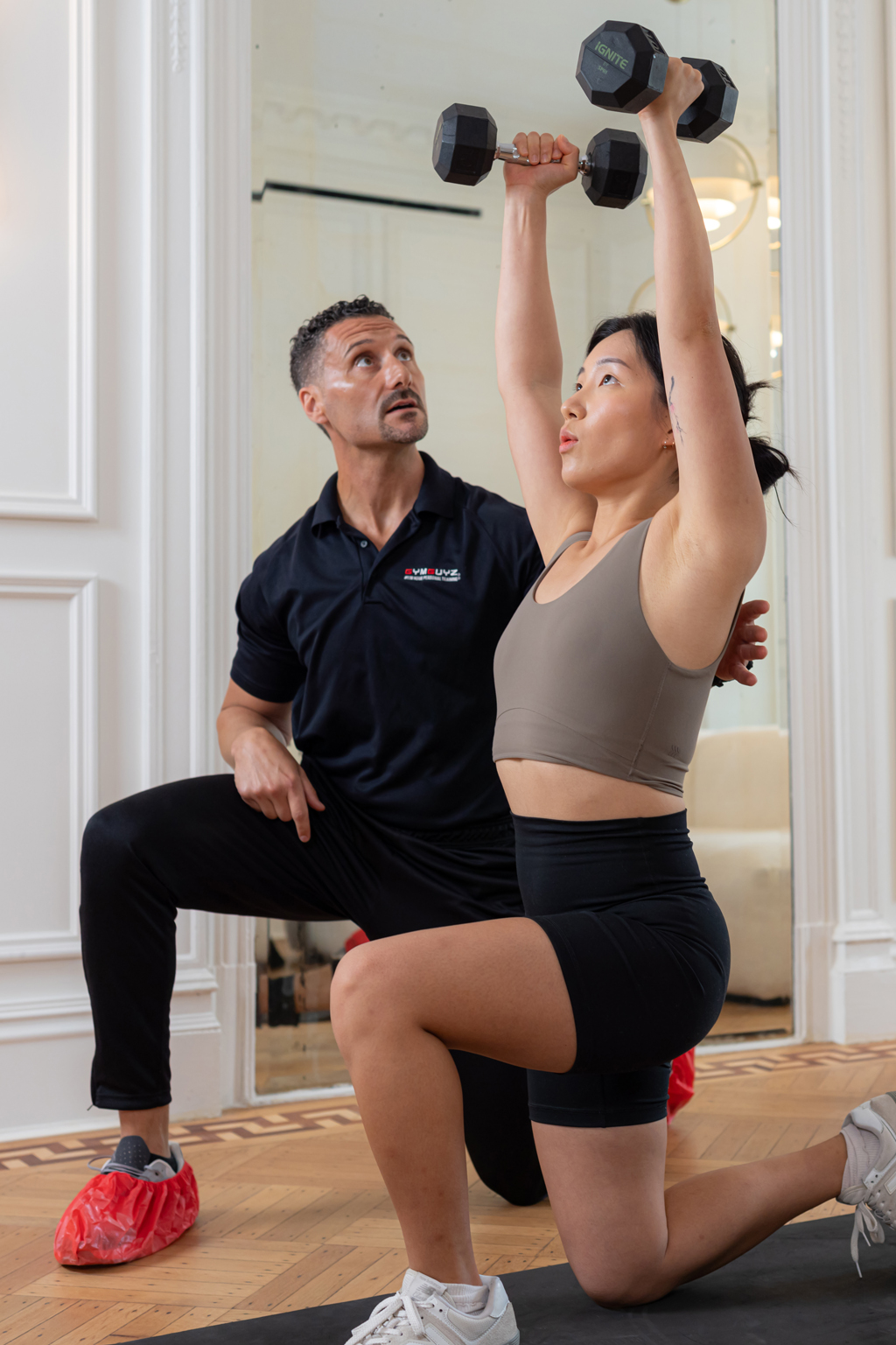
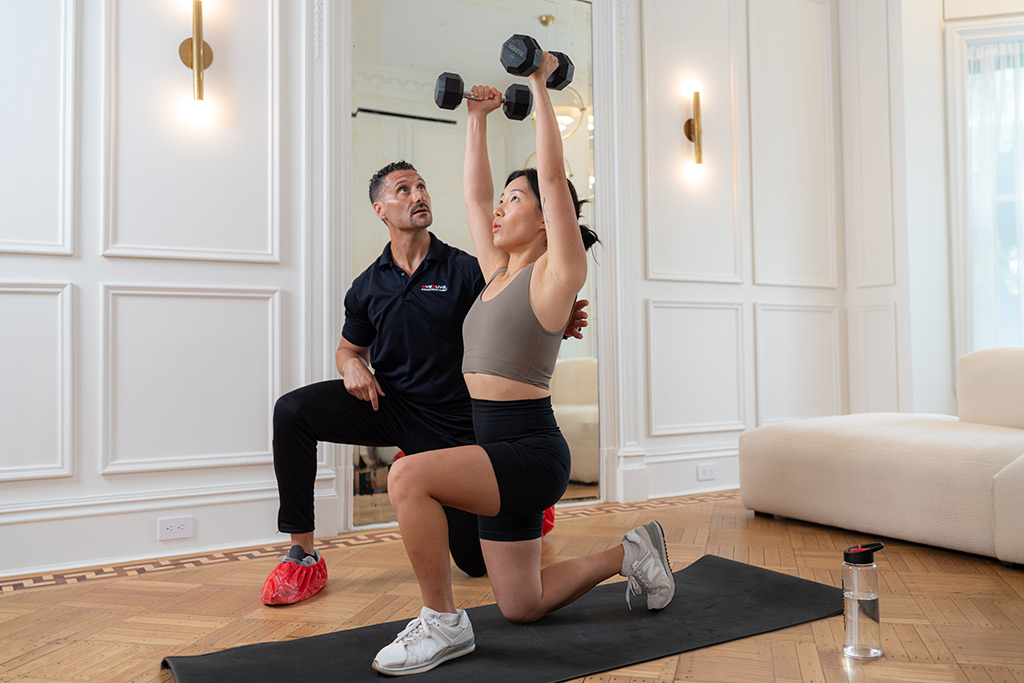
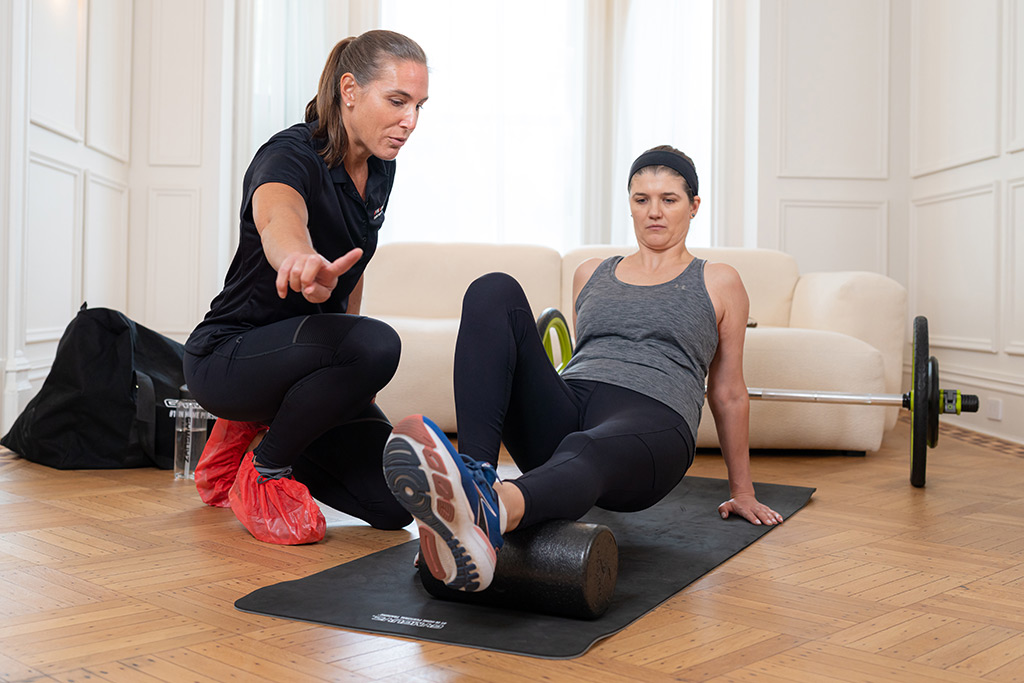
Form is critical for any type of exercise, whether you’re working with strength equipment or just walking. It’s really what trainers look at to make sure that our clients are doing exercises correctly, even simple ones, since using the correct modality reduces their risk of injury. What’s key is working gradually according to your needs and seeking a trainer’s help to check your form and help you make progress.
What are the top advantages of working out with a trainer?
It’s extremely important to seek advice because each person is different: their injuries, ailments, goals, etc. Ultimately, when you hire a trainer, you’re going to get better results because they will help you stick to the “big three” in fitness: accountability, a plan, and nutrition, catering them to your needs.
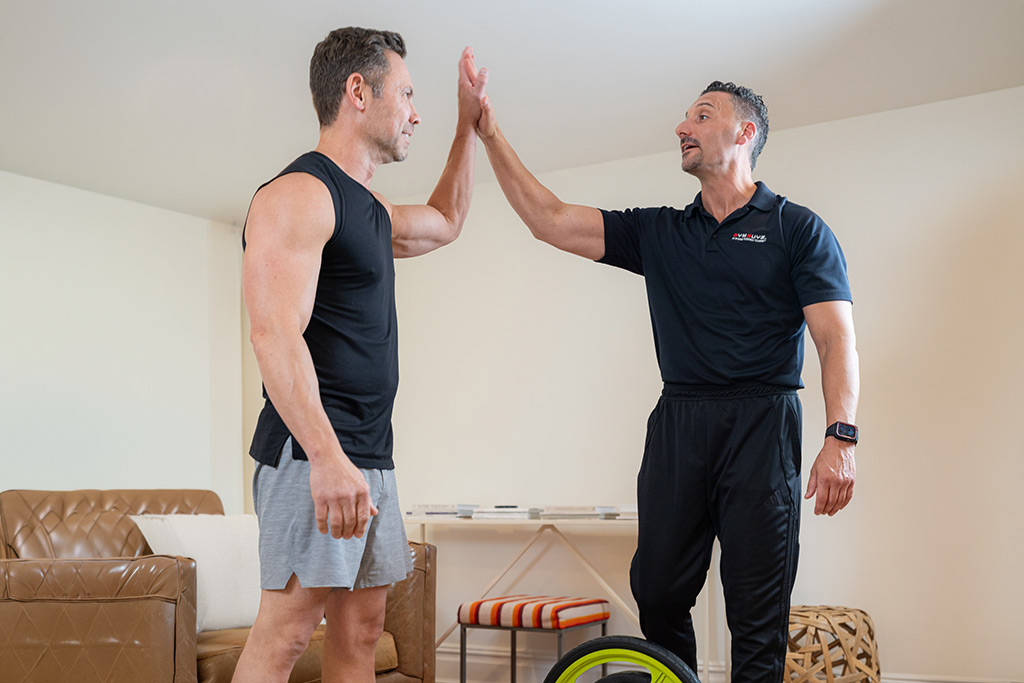
When I work with clientele, I always start with an assessment to understand where they are and what their needs are. Everyone has different goals. Many of my clients live a more sedentary life, but others have experienced balance issues due to vertigo or even a serious injury and are learning how to walk again.
How do you recommend someone begin a new regimen?
One of the best ways to get started, especially if you’re looking to prioritize low-impact exercise, is to seek out local group exercise classes. I think it’s particularly great for seniors to work out in a group setting because of the socialization aspect. There are lots of different classes offered in elderly settings, like SilverSneakers, with low-impact routines geared toward that demographic. But instead of just jumping into any random class, make sure you’re getting into one that targets your demographic and goals.
However, one-on-one training offers the best customized experience, so you get what you need. For example, GYMGUYZ can bring fitness to your home since we carry equipment in our van and can provide personal training and accountability. That’s a huge advantage for those with transportation challenges, including seniors, teenagers, and people recovering from an injury, as well as folks who live in towns without gyms. There’s also a comfort factor because gyms can feel intimidating for some people, but the comfort of working with a trainer at home can lead to greater success.
For more info, visit gymguyz.com
Photos courtesy of: gymguyz
14 Views
Related Posts



Popular Posts